
Industrial Plumbing in Melbourne: What Industrial Sites Actually Need
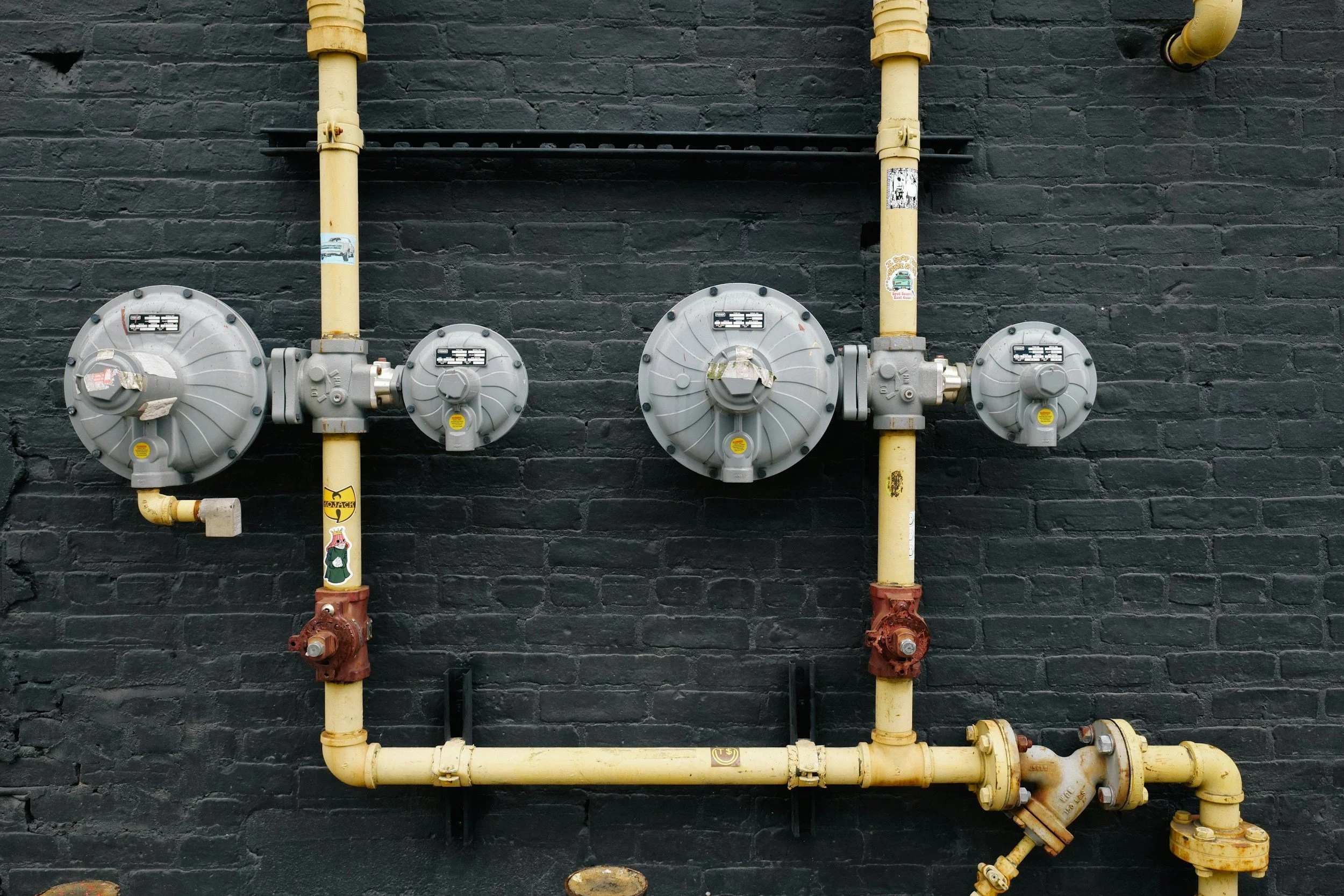
“Industrial plumbing isn’t commercial plumbing scaled up.”
It sounds like a simple distinction, but in practice this is where many projects in Melbourne start to go off track.
At a glance, industrial and commercial plumbing can look almost identical. Pipes, drains, valves, fixtures, they are all there. So it is reasonable to assume that the difference is just about size, capacity, or volume. Bigger site, bigger system.
But that assumption does not hold once you step inside a working industrial environment.
In industrial settings, whether it is a manufacturing facility in the outer suburbs, a food processing plant, or a logistics warehouse, plumbing systems are rarely just supporting the building. They are often supporting operations. And that changes everything.
A modification that might be routine in a commercial building can have flow on effects across production, compliance, and scheduling in an industrial site. What looks like a straightforward install can quickly become a coordination challenge involving multiple systems, teams, and constraints.
This is where the expectation gap shows up:
What people expect: a larger version of commercial plumbing
What actually happens: a system that needs to function inside an active, high stakes environment
The goal of this guide is to close that gap.
Not by overcomplicating things, but by clarifying what industrial plumbing actually involves in real Melbourne sites, and what to look for before treating a project as just another plumbing job.
Reality: Industrial Plumbing as System Critical Infrastructure
Once you move past the assumption that industrial plumbing is just a larger version of commercial work, the real picture becomes clearer.
In industrial environments, plumbing is not just about moving water in and out of a building. It is part of a broader system that directly supports how the site operates day to day.
It is not just about water; it is about process integration
In many Melbourne industrial sites, plumbing connects directly to operational systems such as:
Manufacturing or production lines
Cooling or heating processes
Cleaning and sanitation systems in food or processing facilities
This means changes to plumbing are not isolated. A modification can affect:
Output levels
Product quality
Equipment performance
The key shift is this: plumbing is no longer a background service. It becomes part of the production system itself.
Downtime Is Often the Real Cost Driver
In commercial settings, a short shutdown might be inconvenient. In industrial settings, it can be expensive very quickly.
Even minor plumbing work can require:
Partial shutdowns of operations
Careful scheduling outside production hours
Temporary system rerouting
Because of this, the real challenge is not just completing the work. It is completing the work without disrupting operations more than necessary.
This is why industrial projects often involve:
Staged execution instead of one continuous job
Contingency planning if something unexpected appears
Coordination with site managers and production teams
Trade Waste and Compliance Are Built Into the Job
Industrial sites in Melbourne often operate under strict requirements when it comes to waste and discharge.
Plumbing systems may need to handle:
Trade waste separation
Pre treatment before discharge
Monitoring or reporting requirements
This is not an optional layer added later. It is part of the system design from the beginning.
A setup that works perfectly from a plumbing perspective can still fail if it does not meet compliance requirements.
Every Site Is Different, and That Changes the Approach
Unlike standard commercial builds, industrial sites are rarely uniform.
You are often dealing with:
Legacy infrastructure that has evolved over time
Modifications that were never fully documented
Physical constraints that limit access or redesign
This means there is no one size fits all solution.
Instead, industrial plumbing work often involves:
Diagnosing how the existing system actually behaves
Adapting plans to fit real site conditions
Solving problems that only become visible during execution
The Reality Shift
When you put all of this together, the difference becomes clear.
Industrial plumbing is not defined by bigger pipes or higher capacity. It is defined by:
How closely it connects to operations
How much risk is tied to failure or downtime
How tightly it is bound to compliance and site constraints
This is the point where the original expectation breaks.
Because once plumbing becomes system critical, the question is no longer:
“Can this be installed?”
It becomes:
“Can this be done without disrupting everything around it?”
Why the Expectation Gap Exist
If the differences are this significant, the obvious question is why the misunderstanding happens so often.
In Melbourne and similar industrial environments, the expectation gap is not caused by carelessness. It usually comes from how industrial plumbing is perceived on the surface versus how it actually functions underneath.
Terminology Overlap Creates False Equivalence
The term “plumbing” covers a wide range of work.
From small commercial fit outs to complex industrial systems, the same label is used. This makes it easy to assume the underlying work is similar, just applied at a different scale.
In reality, the difference is not scale. It is context.
Commercial plumbing typically supports buildings.
Industrial plumbing often supports operations.
That distinction is not obvious until you are inside a working site.
Hidden System Dependencies Are Easy to Miss
What looks like a simple pipe or drainage line can be connected to something far more critical.
For example:
A drainage line might be part of a controlled waste system
A water supply line might feed directly into a production process
A pressure system might be calibrated for specific equipment
These dependencies are not always visible during a quick inspection.
This is where issues tend to arise. A change that seems minor can create unintended consequences elsewhere in the system.
Capability Claims Are Often Broad and Undefined
Many providers state that they handle “industrial plumbing,” but that label can mean different things depending on experience.
Without clear definition, it can include:
Basic industrial site maintenance
Partial exposure to industrial environments
Or full system level capability involving integration, compliance, and risk management
From the outside, these differences are difficult to distinguish.
This contributes to the expectation gap, especially during early project discussions.
What You See Is Not What Drives Complexity
Industrial plumbing can look deceptively simple.
Visible elements like pipes, fixtures, and tanks create the impression that the system is straightforward.
But the real complexity sits in:
How systems interact with each other
How flow, pressure, and waste are controlled
How the system behaves under operational load
These factors are not visible, but they are what determine whether a system works reliably.
Why This Matters Before Any Work Begins
Understanding why this gap exists is not just theoretical. It directly affects how projects are scoped and executed.
If a project is approached with a commercial mindset when it actually requires industrial thinking, the risks increase:
Underestimating coordination requirements
Missing compliance considerations
Encountering unexpected downtime during execution
This is why the earlier sections matter.
Because recognising the gap early helps prevent decisions that only show their consequences later.
What to Check Before Treating a Project as Industrial Plumbing
By this point, the difference between expectation and reality is clearer.
The next step is practical. Before treating a project as standard plumbing or assuming it requires industrial level capability, it helps to run through a few grounded checks.
These are not technical audits. They are simple ways to understand what kind of system you are actually dealing with.
Check 1 Does the System Interact With Operations
Start with the most important question.
Is the plumbing system connected to or affecting operational processes?
Examples include:
Feeding water into production lines
Supporting cleaning or sanitation cycles
Connecting to equipment that drives output
If the answer is yes, you are no longer dealing with a standalone building service. You are working within an operational system.
That shift alone usually places the project into industrial territory.
Check 2 What Happens If the System Stops
Next, consider the impact of failure or shutdown.
Ask:
Does work need to pause if this system is offline
How long can the site operate without it
What is the real cost of interruption
In industrial environments, even short disruptions can affect:
Production schedules
Delivery timelines
Staff coordination
If the impact is immediate or costly, the approach to the work needs to reflect that risk.
Check 3 Are There Trade Waste or Compliance Requirements
Compliance is often the dividing line between simple and complex systems.
Look for:
Controlled or regulated discharge
Requirements for pre treatment or separation
Monitoring, reporting, or approvals
In Melbourne, many industrial sites operate under specific waste and environmental guidelines.
If these apply, plumbing decisions are no longer just technical. They must align with compliance requirements from the start.
Check 4 Is This a Retrofit With Unknown Constraints
New builds offer a level of control. Existing sites rarely do.
If the project involves an older or modified facility, consider:
Are there undocumented changes in the system
Is access limited or restricted
Are there legacy components still in use
Retrofit work often introduces variables that only become visible during execution.
This increases the need for flexibility, investigation, and staged planning.
Check 5 Does the Work Require Staging or Coordination
Finally, look at how the work needs to be carried out.
Indicators of industrial level complexity include:
Work that must be completed in phases
Coordination with multiple teams or departments
Timing that must align with operational schedules
If the job cannot be done in a single uninterrupted block, it usually means the plumbing is tied closely to how the site functions.
Putting It Together
You do not need every box to be ticked.
But if several of these factors apply at the same time, the project is likely operating within an industrial context.
That does not automatically make it more complicated. It simply means the approach needs to account for:
System interaction
Operational risk
Compliance requirements
Real world site constraints
Recognising this early is what helps avoid surprises later.
Summary and Capability Reframe
By now, the initial assumption should feel less reliable.
Industrial plumbing is not defined by scale alone. It is defined by how deeply it connects to the way a site operates.
What starts as a question about pipes and systems quickly becomes a question about risk, coordination, and continuity.
What Industrial Plumbing Capability Actually Means
When you strip away the surface level similarities, true industrial capability tends to show up in a few consistent ways:
Understanding how plumbing interacts with operational systems, not just buildings
Planning work around downtime sensitivity and production impact
Navigating compliance requirements such as trade waste and discharge controls
Adapting to real world site conditions, especially in retrofit environments
Coordinating work across teams, schedules, and constraints
These are not add ons. They are part of the core work.
A More Useful Way to Frame the Decision
Instead of asking:
“Is this a big plumbing job?”
A more useful question is:
“Is this system connected to something that cannot afford to stop or fail?”
If the answer is yes, the requirements change.
The work needs to be approached with:
Greater planning upfront
Clear understanding of system dependencies
Awareness of what is at stake if something goes wrong
Closing the Expectation Gap
The gap between expectation and reality is not about technical knowledge. It is about perspective.
From the outside, industrial plumbing can look familiar.
On the inside, it operates under a different set of pressures:
Operational continuity
Compliance obligations
Site specific constraints
Recognising that difference early allows for better decisions, clearer planning, and fewer surprises during execution.
Final Takeaway
Industrial plumbing in Melbourne is not about doing the same work at a larger scale.
It is about working inside systems where:
Timing matters
Dependencies matter
Mistakes carry wider consequences
Understanding that shift is what helps you assess your own site more accurately and approach projects with the right level of preparation.