
Commercial Plumbing for Offices, Retail & Hospitality
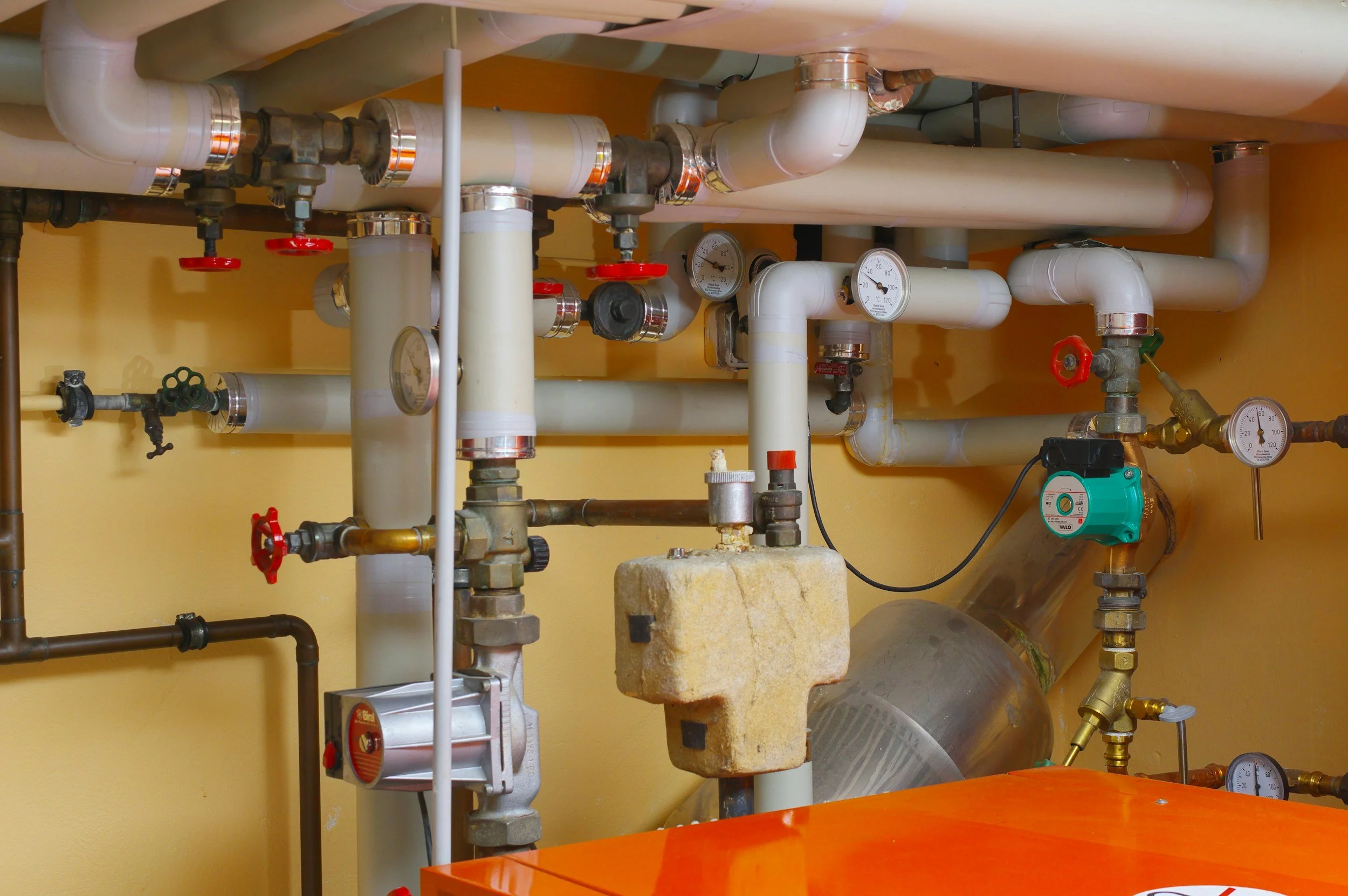
Commercial Plumbing for Offices, Retail & Hospitality in Melbourne
How Plumbing Requirements Differ Across Business Types
When people search for a commercial plumber, they often assume the service is the same for every business. In reality, plumbing systems vary significantly depending on how a space is used. An office building, a retail shop, and a busy café all rely on plumbing, but the way those systems operate day-to-day can be very different.
For Melbourne businesses, plumbing is closely tied to operational continuity. Staff amenities, customer facilities, kitchen systems, and building infrastructure all depend on plumbing working reliably in the background. When something goes wrong, it can affect productivity, customer experience, and in some industries, compliance requirements.
Understanding these differences helps business owners make more informed decisions about the type of plumbing support their premises may need.
In this guide, we walk through three common commercial environments in Melbourne: offices, retail businesses, and hospitality venues. Each scenario shows how plumbing functions in daily operations, what systems are typically involved, and why requirements can vary between industries.
The goal is to help readers see how plumbing needs often reflect how a business actually operates.
Why Different Businesses Need Different Plumbing Support
Commercial plumbing systems are designed around how water is used within a business environment. The number of people using the facilities, the type of equipment involved, and the building infrastructure all influence how the system is set up and maintained.
For example, an office may only require reliable staff amenities and a small kitchenette. A retail store might need plumbing that supports staff areas while also handling occasional customer use. In contrast, hospitality venues depend on plumbing constantly throughout the day, from kitchen operations to customer bathrooms.
Several factors typically shape plumbing requirements across Melbourne commercial spaces.
1. Usage Patterns
Some businesses have predictable, moderate usage, such as offices. Others experience higher demand during busy trading periods.
2. Infrastructure and Building Age
Many commercial properties in Melbourne operate in older buildings where plumbing systems may require careful maintenance or upgrades.
3. Operational Priorities
For some businesses, plumbing simply supports staff comfort. For others, such as cafés and restaurants, plumbing is essential to daily operations.
4. Compliance and Sanitation Standards
Industries involving food preparation often require additional systems and stricter hygiene considerations.
Because of these differences, commercial plumbing support often needs to be tailored to the environment where it's used.
To make these differences easier to understand, the next sections explore what plumbing typically looks like across three everyday business settings.
Scenario 1: Plumbing in a Melbourne Office Environment
Imagine a professional services company moving into a new office space in Melbourne's CBD. The fitout is nearly complete. Workstations are set up, meeting rooms are ready, and the kitchen area is stocked for staff. Behind the scenes, however, several plumbing systems support the daily routines that keep the workplace comfortable and functional.
While office environments don't usually place extreme demand on plumbing systems, reliability remains important. Staff expect facilities to work consistently throughout the day, and even small plumbing disruptions can quickly become inconvenient in a busy workplace.
Typical Plumbing Systems in Offices
Most office plumbing systems focus on supporting staff amenities and basic workplace facilities. These typically include:
Staff bathrooms and handwashing facilities
Kitchenettes or breakroom sinks
Hot water systems for staff use
Water supply and drainage connected to the building's main infrastructure
In many Melbourne office buildings, especially multi-level commercial properties, plumbing systems may also be connected to shared building infrastructure. This means some plumbing elements are maintained at the building level, while others are managed within the office tenancy itself.
What Plumbing Looks Like During a Normal Workday
Office plumbing demand usually follows predictable patterns during the day.
Morning arrival often creates the first period of increased use, as staff prepare coffee, wash hands, and use bathroom facilities. A second peak typically happens around lunch when kitchenettes and breakrooms become busier.
Outside of these moments, usage is generally steady and moderate. Because of this pattern, offices usually prioritise plumbing systems that provide consistent performance rather than high-capacity output.
Even so, problems such as blocked drains, leaking fixtures, or hot water interruptions can affect workplace comfort and productivity if they occur during business hours.
Common Plumbing Considerations for Offices
Office environments often focus on preventative maintenance and reliability. Some common considerations include:
Maintaining Staff Amenities
Bathrooms and breakroom facilities experience daily use and need to remain functional for employees.
Drainage Reliability
Even moderate use can lead to drainage issues over time if maintenance is neglected.
Coordination with Building Management
In multi-tenant buildings, plumbing work may involve coordination with building management or shared infrastructure systems.
For many offices, the goal is simple. Plumbing should operate smoothly in the background so staff can focus on their work without interruptions.
Scenario 2: Plumbing in Retail Businesses
Consider a boutique clothing store on one of Melbourne's busy retail strips. The shop floor is designed for customers, displays are carefully arranged, and staff focus on creating a welcoming shopping experience. Behind the scenes, plumbing still plays an important role, even if it's less visible than in other industries.
Retail environments usually have simpler plumbing systems compared with hospitality venues. However, reliability remains important because any disruption during trading hours can affect both staff operations and customer experience.
Plumbing Infrastructure Behind the Shop Floor
Retail businesses typically have plumbing systems that support essential back-of-house activities. These may include:
Staff bathroom facilities
Utility sinks used for cleaning or maintenance
Water supply for small kitchen or staff areas
Drainage connected to the building's shared plumbing network
In shopping centres or multi-tenancy buildings, many retail spaces rely on shared plumbing infrastructure. This means water supply and drainage systems may serve several businesses within the same property.
Because of this arrangement, plumbing issues can sometimes affect multiple tenants if not addressed early.
How Customer Foot Traffic Changes Plumbing Use
Retail stores usually experience fluctuating activity depending on the time of day and the season. Weekends, sales events, and holiday periods often bring higher customer numbers.
In larger stores where customer bathrooms are available, increased foot traffic can lead to heavier plumbing usage during busy periods. Even in smaller stores where facilities are staff-only, higher activity levels can still place additional demand on sinks, cleaning areas, and water supply.
Unlike offices where usage patterns are fairly predictable, retail plumbing demand can change quickly based on trading conditions.
Operational Plumbing Priorities for Retail
Retail businesses generally prioritise plumbing systems that support smooth day-to-day operations without interrupting trading hours.
Some common priorities include:
Preventing Disruptions During Business Hours
Plumbing problems such as leaks or blocked drains can create inconvenience for staff and customers while the store is open.
Maintaining Functional Staff Facilities
Even though these areas aren't customer-facing, reliable staff amenities are still important for daily operations.
Managing Plumbing in Older Retail Buildings
Many retail strips across Melbourne operate in older buildings where plumbing infrastructure may require occasional upgrades or maintenance.
In most retail settings, plumbing works quietly in the background. When systems operate reliably, staff can focus on serving customers and managing the store without unexpected interruptions.
Scenario 3: Plumbing in Hospitality Venues
Picture a café in Melbourne during the morning rush. Coffee machines are running constantly, dishes are being washed, staff are preparing food, and customers are using the facilities throughout the day. In this type of environment, plumbing supports almost every part of the business operation.
Hospitality venues place some of the highest demands on commercial plumbing systems. Unlike offices or retail stores where usage is moderate, restaurants and cafés rely on water supply, drainage, and sanitation systems continuously during service hours.
Because of this, plumbing reliability becomes closely connected to the ability of the business to operate normally.
The Most Demanding Commercial Plumbing Environment
Hospitality venues typically use multiple plumbing systems at the same time. A single kitchen may include several sinks, dishwashers, preparation areas, and cleaning stations that all rely on water supply and drainage.
Customer facilities also contribute to the overall demand on the system.
Common plumbing elements in hospitality venues include:
Commercial kitchen sinks
Food preparation sinks
Dishwashing equipment
Customer and staff bathrooms
Continuous hot water supply
During peak service periods, these systems may operate simultaneously for extended periods. This is why hospitality plumbing often requires higher capacity and careful maintenance compared with other commercial environments.
Systems Unique to Hospitality Businesses
Many hospitality venues also require specialised plumbing components designed to meet hygiene and waste management standards.
Examples include:
Grease Traps
Grease traps capture fats, oils, and food waste before they enter the drainage system. This helps prevent blockages and supports compliance with local waste regulations.
Floor Drains
Kitchen floors often include drainage points that allow water and cleaning solutions to flow safely away during food preparation and cleaning routines.
High-Capacity Hot Water Systems
Restaurants and cafés typically rely on consistent hot water for dishwashing, cleaning, and food preparation.
These systems help ensure the kitchen environment remains safe, clean, and functional throughout the day.
Why Plumbing Reliability Matters Most in Hospitality
In hospitality businesses, plumbing issues can affect operations almost immediately.
For example, blocked drainage can interrupt kitchen workflow, while hot water interruptions may impact dishwashing and sanitation routines. Customer facilities also need to remain functional during trading hours to maintain a positive dining experience.
Because plumbing supports both food preparation and customer comfort, many hospitality venues treat plumbing maintenance as part of daily operational reliability.
When systems function properly, they remain largely invisible to customers. However, when problems occur, the impact can be felt quickly across multiple areas of the business.
What These Scenarios Reveal About Commercial Plumbing
Looking across these three environments, a clear pattern appears. While offices, retail stores, and hospitality venues all rely on plumbing, the way each business uses water systems is very different.
Understanding these differences helps explain why commercial plumbing support is often tailored to the type of business operating within the space.
Usage Intensity Changes the Plumbing Setup
The level of daily water usage varies significantly between industries.
Offices generally use plumbing in predictable ways. Staff bathrooms, kitchenettes, and occasional breakroom activity create moderate and consistent demand.
Retail businesses usually fall somewhere in the middle. Staff facilities are used regularly, and some larger stores also provide bathrooms for customers. Activity levels may rise during busy trading periods.
Hospitality venues operate at the highest level of plumbing intensity. Kitchens, dishwashing equipment, and customer facilities may all run simultaneously during service hours. This means plumbing systems often need to handle larger volumes of water and drainage throughout the day.
Because of these differences, the plumbing systems installed in each environment may be designed with different capacities and maintenance needs.
Business Operations Shape Maintenance Priorities
How a business operates also influences how plumbing systems are maintained.
Office environments typically focus on maintaining reliable staff facilities and ensuring shared building systems continue to function smoothly.
Retail businesses often prioritise keeping plumbing systems operational during trading hours so that customer experience isn't disrupted.
Hospitality venues usually require more frequent attention to systems such as drainage, grease management, and hot water supply because these elements directly affect food preparation and hygiene routines.
In each case, plumbing maintenance is closely connected to how the business functions day-to-day.
Compliance Expectations Can Differ by Industry
Some industries operate under stricter hygiene or sanitation expectations than others.
For example, hospitality businesses often require plumbing systems that support safe food preparation, proper waste management, and consistent cleaning practices.
Office and retail environments may have simpler requirements, but they still need to meet building standards and workplace facility expectations.
Because regulations and operational needs vary, commercial plumbing systems are often designed and maintained with the specific business environment in mind.
Understanding What Commercial Plumbing Services Typically Cover
When businesses begin researching commercial plumbing, they often discover that the term covers a wide range of services.
Commercial plumbing can include installation of new systems, maintenance of existing infrastructure, repairs, upgrades, and support for specialised equipment used in certain industries.
The exact services needed often depend on factors such as:
The type of business operating in the space
The age and layout of the building
The plumbing infrastructure already installed
The level of daily water usage
For a clearer explanation of how these services are typically structured, you can explore our guide on commercial plumbing services and what businesses usually require.
This resource breaks down the different categories of commercial plumbing work and how they support various types of commercial properties.
Final Takeaway: Choosing Plumbing Support That Matches Your Business
Every commercial space relies on plumbing, but the demands placed on those systems can vary widely.
Offices usually require dependable amenities that support staff throughout the workday. Retail businesses often focus on maintaining reliable facilities while keeping operations running smoothly during trading hours. Hospitality venues rely heavily on plumbing systems that support kitchen operations, hygiene practices, and customer facilities at the same time.
Recognising how plumbing fits into your business environment can make it easier to understand what type of support may be appropriate for your premises.
When plumbing systems align with the way a business operates, they tend to remain quietly in the background, supporting daily activities without disruption.
Get Commercial Plumbing Support for Your Melbourne Business
East Plumbing Co provides commercial plumbing services for offices, retail businesses, and hospitality venues across Melbourne. Whether you need routine maintenance, emergency repairs, or specialised systems for your business type, our team understands the unique requirements of each commercial environment.
📍 East Plumbing Co - Braeside, Melbourne VIC ☎ Call: (03) 8905 4957 ✉ Email: admin@eastplumbingco.com.au 🌐 Website: www.eastplumbingco.com.au
Available 24/7 for emergency commercial plumbing across Melbourne