
How to Choose an Industrial Plumbing Contractor in Melbourne
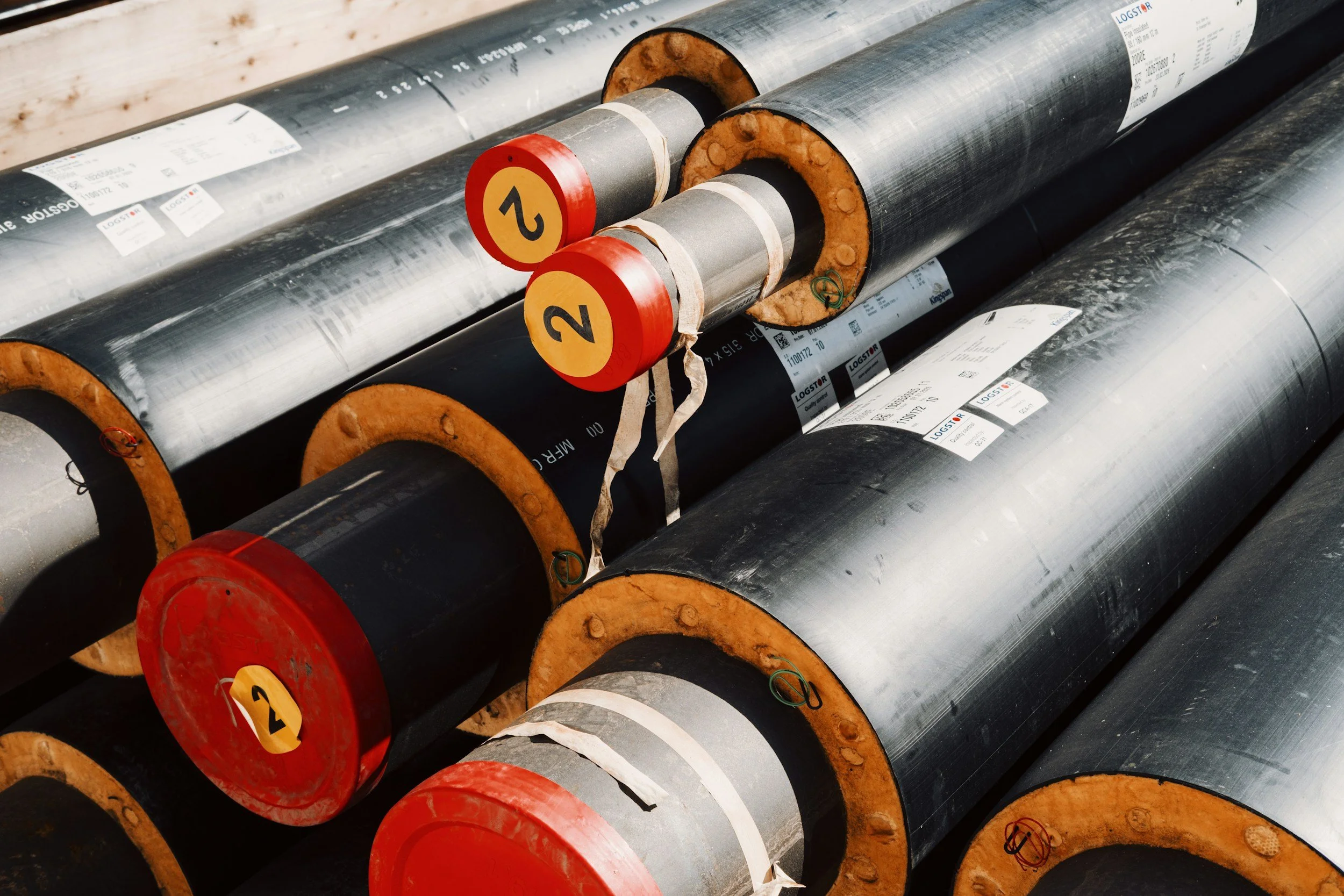
When you start shortlisting industrial plumbers in Melbourne, it’s easy to assume most licensed plumbing contractors can handle the job.
But in practice, industrial environments operate very differently from standard commercial or residential sites.
The difference isn’t just scale. It’s how plumbing systems interact with operations, safety requirements, and downtime constraints.
A contractor who is excellent in commercial fit-outs may still struggle in an industrial setting where:
systems are interconnected with production processes
access is limited by active operations
compliance and safety procedures are stricter
downtime carries real operational cost
That’s why the goal isn’t to find “a good plumber”. It’s to find a contractor built for industrial work.
What This Guide Helps You Do
Instead of relying on generic claims like “experienced” or “reliable,” this guide gives you a practical checklist of signals you can use to evaluate any contractor with confidence.
You’ll learn how to:
identify whether a contractor truly has industrial capability
spot gaps before work begins, not during the job
ask the right questions to reduce downtime and compliance risk
build a shortlist based on evidence, not assumptions
This is especially useful if you’re:
managing a facility, warehouse, or production site
overseeing maintenance or upgrade work
coordinating between operations, safety, and procurement teams
How to Use This Checklist
You don’t need technical plumbing knowledge to use this.
As you speak with contractors, simply:
use each section as a validation checkpoint
look for clear, specific answers instead of general assurances
confirm what’s said with real examples or documentation
If something feels vague or difficult to verify, that’s usually a signal worth pausing on.
Quick Checklist (Industrial Plumbing Contractor Evaluation)
If you only have a few minutes to assess a contractor, this is the shortlist filter to use.
Think of this as a first-pass validation. If a contractor cannot clearly meet most of these points, it’s usually a sign to dig deeper before proceeding.
Industrial Plumbing Contractor Checklist
Proven industrial project experience
Can they point to real work in environments like warehouses, manufacturing sites, or process facilities?
Clear scope breakdown and documentation
Do they define what’s included, excluded, and how the work is staged before starting?
Safety and compliance alignment
Are they familiar with site inductions, safety procedures, and documentation expectations?
Structured communication approach
Do they explain who your point of contact is and how updates will be shared?
Ability to plan around downtime and constraints
Can they explain how work is scheduled to minimise disruption to operations?
Transparent problem-solving approach
Do they describe how they handle unexpected issues, not just ideal scenarios?
How to Use This in Practice
This checklist is not about ticking every box perfectly. It’s about how clearly and confidently a contractor can respond.
When you go through this with a contractor:
Look for specific examples, not general statements
Pay attention to how they explain their process, not just outcomes
Notice whether answers are proactive or only given when prompted
What This Checklist Filters Out
Using this early helps you avoid a common issue in Melbourne industrial projects:
Contractors who are:
technically licensed, but not experienced in industrial environments
reactive instead of process-driven
unclear on documentation, safety, or coordination requirements
These gaps don’t always show up in quotes. They usually appear during the job, when changes become expensive or disruptive.
Capability and Experience Signals (Industrial Fit)
Once a contractor passes the initial checklist, the next step is to validate whether they are genuinely equipped for industrial environments, not just general plumbing work.
This is where many shortlists start to narrow.
Evidence of Relevant Industrial Work
Signal:
They can show recent projects in environments similar to yours such as warehouses, manufacturing facilities, or large-scale operational sites.
Why it matters:
Industrial plumbing involves different constraints compared to commercial work. These include system integration, operational continuity, and stricter safety coordination.
A contractor without this experience may still complete the work, but often with more friction, delays, or rework.
How to verify:
Ask for 2 to 3 recent projects and go beyond surface details:
What type of site was it?
What challenges did they face during the job?
How did they plan around operations or constraints?
You are looking for specific context, not just a list of job names.
Understanding of System Complexity
Signal:
They talk about systems, not just tasks. For example, they refer to pressure, flow, integration with existing infrastructure, or how changes affect operations.
Why it matters:
In industrial settings, plumbing is rarely isolated. A small change can impact production, safety systems, or other mechanical processes.
Contractors who think only in terms of “install and fix” may miss these interactions.
How to verify:
Ask how they approach planning for a job:
Do they consider upstream and downstream impact?
How do they assess risks before starting work?
What steps do they take to avoid disrupting other systems?
Strong contractors will explain their thinking process, not just the final outcome.
What Strong Answers Typically Sound Like
You are not looking for perfect technical language. You are looking for clarity and structure.
Good signals include:
Breaking down the job into stages or systems
Explaining trade-offs or constraints upfront
Referencing real scenarios where conditions changed
Showing awareness of operational impact, not just installation
Weaker signals tend to sound like:
“We’ve done a lot of these” without detail
Focus only on tools or speed
Vague reassurance without explanation
Why This Step Matters Before Moving Forward
At this stage, you are not choosing a contractor yet. You are deciding whether they belong on your serious shortlist.
If a contractor cannot clearly demonstrate:
relevant industrial experience
and system-level thinking
it becomes harder to rely on them when conditions change on-site.
And in industrial environments, conditions almost always do.
Scope and Planning Signals (Before Work Starts)
Before any work begins, the strongest industrial contractors separate themselves through how they define and plan the job.
This is where many project issues are either prevented early or created unintentionally.
Clear Scope Definition
Signal:
They provide a structured scope that outlines stages, deliverables, assumptions, and limitations.
Why it matters:
In industrial environments, unclear scope often leads to:
unexpected variations
delays due to missing dependencies
misalignment between teams
A clear scope reduces ambiguity before it becomes costly.
How to verify:
Ask for a written breakdown that includes:
what is included in the work
what is explicitly excluded
how the job is staged or sequenced
any assumptions made during quoting
If everything is summarised in a few lines, it may indicate insufficient planning depth.
Site Assessment Process
Signal:
They insist on a detailed site walkthrough before finalising scope or pricing.
Why it matters:
Industrial sites often have hidden constraints such as:
limited access points
live operational zones
existing system limitations
safety or compliance requirements
These rarely show up in initial discussions or drawings alone.
How to verify:
Ask how they approach site inspections:
What do they look for during a walkthrough?
Who attends from their team?
Do they identify risks or constraints upfront?
Strong contractors will describe a repeatable process, not a quick visual check.
Early Identification of Constraints
Signal:
They proactively raise potential constraints before work begins.
Why it matters:
Every industrial site has constraints. The difference is whether they are:
identified early and planned for
or discovered during execution, causing disruption
Contractors who surface constraints early are typically more prepared for real-world conditions.
How to verify:
Ask:
What could delay or complicate this job?
What assumptions are you making right now?
What needs to be confirmed before starting?
If a contractor says “there shouldn’t be any issues” without context, that is usually a sign to probe further.
Why This Stage Is Often Overlooked
Many decisions are made based on:
speed of response
price
general confidence
But in industrial work, planning quality often matters more than execution speed.
A well-defined scope and planning process helps:
reduce mid-project changes
align stakeholders early
prevent avoidable downtime
Safety and Compliance Signals (Melbourne Context)
In industrial environments, safety and compliance are not just internal preferences. They are often site-enforced requirements that determine whether work can even begin.
This is where experienced industrial contractors stand out through process and preparation, not just technical ability.
Safety Process Integration
Signal:
They clearly explain how they align with site-specific safety requirements such as inductions, SWMS (Safe Work Method Statements), and permit systems.
Why it matters:
Most industrial sites in Melbourne require strict safety onboarding before any work starts. Without proper preparation:
access to site can be delayed
work may be stopped mid-project
compliance risks increase for both contractor and client
Contractors who are not familiar with these processes can slow down the entire job before it even begins.
How to verify:
Ask how they prepare for safety on a new site:
Do they provide SWMS before starting?
How do they handle inductions and site approvals?
What is their process for working in active operational areas?
Strong contractors will describe a clear sequence of steps, not just say “we follow safety requirements”.
Documentation and Audit Readiness
Signal:
They provide documentation proactively as part of their standard process.
Why it matters:
In many industrial sectors such as manufacturing or food production, documentation is not optional. It may be required for:
internal audits
compliance checks
insurance or regulatory purposes
If documentation is missing or incomplete, it can create issues long after the job is finished.
How to verify:
Ask what documentation you can expect:
completion reports
compliance certificates
test results or verification records
Also ask when and how this documentation is delivered.
Reliable contractors will treat documentation as part of the job, not an afterthought.
Alignment with Regulated Environments
Signal:
They show awareness of working within regulated or high-compliance environments.
Why it matters:
Some Melbourne industrial sites operate under stricter requirements, especially in sectors like:
food and beverage production
pharmaceuticals
large-scale manufacturing
These environments often have additional expectations around hygiene, traceability, and process control.
How to verify:
Ask if they have worked in regulated environments before and:
what additional steps were required
how they adapted their work process
what documentation or controls were involved
You are looking for practical understanding, not just a yes or no answer.
Why This Section Carries More Weight Than It Seems
Safety and compliance issues rarely show up in early conversations. They usually appear:
just before work starts
during site access
or during audits after completion
By that point, they can cause delays, rework, or operational risk.
Contractors who handle this well tend to be:
more structured overall
better prepared for industrial environments
easier to coordinate with across teams
Communication and Reliability Signals (Downtime Sensitivity)
In industrial environments, communication is not just about updates. It directly affects how well work is coordinated around operations.
When downtime is costly, even small misalignments can lead to delays, disruption, or safety concerns.
Defined Communication Structure
Signal:
They clearly define who your main point of contact is and how communication will be handled throughout the job.
Why it matters:
Industrial projects often involve multiple stakeholders such as operations, safety, and management teams. Without a clear communication structure:
updates can become inconsistent
decisions may be delayed
information can be misinterpreted across teams
How to verify:
Ask:
Who will be your main contact during the project?
How often will updates be provided?
In what format (email, reports, site meetings)?
Strong contractors will outline a clear and repeatable communication flow, not leave it informal.
Planning Around Downtime
Signal:
They proactively discuss scheduling, staging, and how work will be carried out around active operations.
Why it matters:
In many Melbourne industrial sites, shutting down systems is not always an option. Work often needs to be:
staged in phases
completed during off-peak hours
coordinated with production schedules
Poor planning in this area can interrupt operations and increase costs.
How to verify:
Ask how they approach:
working in live environments
minimising disruption to operations
coordinating with your internal team’s schedule
Look for answers that include specific planning steps, not just general reassurance.
Responsiveness and Coordination
Signal:
They respond promptly and consistently during the early stages, not just after being selected.
Why it matters:
Early communication is often a preview of how the contractor will operate during the project.
If communication is already slow or unclear, it can become more problematic once work begins.
How to verify:
Pay attention to:
response times to emails or calls
clarity of answers provided
willingness to coordinate with multiple stakeholders
These are practical indicators of day-to-day reliability.
Handling Changes Without Disruption
Signal:
They explain how updates, changes, or unexpected issues will be communicated and managed.
Why it matters:
Industrial projects rarely go exactly as planned. Changes may be required due to:
site conditions
operational constraints
newly identified risks
Without a clear communication process, these changes can cause confusion or delays.
How to verify:
Ask:
How are changes communicated and approved?
How do you keep stakeholders aligned during adjustments?
Strong contractors will describe a structured approach to managing changes, not ad hoc decisions.
Why This Section Is Critical in Industrial Work
Communication gaps are one of the most common causes of:
avoidable downtime
scheduling conflicts
misaligned expectations
Contractors who communicate clearly and consistently tend to:
integrate better with your internal teams
reduce friction during execution
keep projects moving even when conditions change
Problem-Solving and Execution Signals
Even with strong planning, industrial plumbing work rarely goes exactly as expected.
What separates reliable contractors is not whether problems occur, but how they handle them when they do.
Approach to Unexpected Issues
Signal:
They can clearly explain how they respond when site conditions change or new issues are discovered.
Why it matters:
In industrial environments, unexpected issues can include:
hidden infrastructure constraints
system conflicts
access limitations
safety or compliance adjustments
If these are handled poorly, they can quickly lead to delays or operational disruption.
How to verify:
Ask for a real example:
What changed during the job?
How did they identify the issue?
What steps did they take to resolve it?
Strong contractors will walk you through a step-by-step response, not just the final outcome.
Decision-Making Transparency
Signal:
They explain trade-offs clearly when presenting options.
Why it matters:
When issues arise, decisions often involve balancing:
time
cost
operational impact
If these trade-offs are not clearly communicated, it becomes difficult to make confident decisions during the project.
How to verify:
Ask:
How do you present options when something changes?
How do you help clients decide between alternatives?
Look for answers that show structured decision support, not just recommendations.
Proactive vs Reactive Execution
Signal:
They demonstrate a proactive mindset, identifying potential issues before they escalate.
Why it matters:
Reactive contractors tend to:
wait until problems become urgent
create pressure on timelines and operations
Proactive contractors:
anticipate risks
communicate early
adjust plans before disruption occurs
How to verify:
Ask:
What do you typically watch for during a project?
How do you prevent small issues from becoming bigger problems?
You are looking for patterns of anticipation, not just problem resolution.
Consistency Under Pressure
Signal:
They maintain clear communication and process even when conditions become challenging.
Why it matters:
Industrial projects can involve:
tight timelines
operational pressure
multiple stakeholders
Consistency during these moments is a strong indicator of reliability.
How to verify:
Ask about situations where:
timelines were tight
conditions changed quickly
Then listen for how they maintained coordination and control.
Why This Stage Defines Long-Term Reliability
At this point, you are no longer just assessing capability. You are assessing how the contractor performs in real conditions.
Strong signals here indicate that the contractor can:
adapt without losing structure
support decision-making under pressure
keep projects moving despite uncertainty
Final Readiness Check (Go / No-Go)
At this stage, you are not gathering new information. You are stepping back to assess whether the contractor is consistently strong across all key signals.
This final check helps you avoid moving forward with a contractor who seems capable in one area but lacks reliability in others.
Go / No-Go Validation Checklist
Before proceeding, confirm the following:
Relevant industrial experience is clear and specific
They can explain past work in environments similar to yours, including challenges and how they handled them
Scope and planning are well defined upfront
You have a clear understanding of what is included, how the work is staged, and what assumptions are being made
Safety and compliance processes are proactive
They explain how they handle inductions, documentation, and site requirements without needing to be prompted
Communication is structured and consistent
You know who to contact, how updates will be shared, and how coordination will happen across stakeholders
Downtime and operational impact are considered early
They demonstrate how work will be planned around your site’s constraints
Problem-solving approach is clear and practical
They can walk through real examples and explain how decisions are made when conditions change
How to Interpret the Results
If most answers are:
Clear, specific, and easy to verify
You likely have a strong shortlist candidate worth progressing
Vague, inconsistent, or difficult to confirm
It may be worth pausing and clarifying before moving forward
A Practical Way to Use This Before Committing
Before making a final decision, consider:
reviewing your notes across each section
checking for any gaps or unanswered questions
confirming any assumptions directly with the contractor
Even a short follow-up conversation using this checklist can help you validate confidence before committing.
Why This Final Step Matters
In industrial plumbing projects, issues rarely come from a single failure. They usually come from small gaps across multiple areas such as:
unclear scope
weak communication
missing documentation
reactive problem-solving
This final check helps ensure those gaps are addressed early, when they are still easy to manage.
Choosing an industrial plumbing contractor is less about finding the “best” option and more about finding the right fit for your site, constraints, and operational needs.
When you evaluate contractors using clear, verifiable signals, you reduce uncertainty and make decisions with confidence, not guesswork.