
How to Choose an Emergency Plumber for Industrial Sites in Melbourne
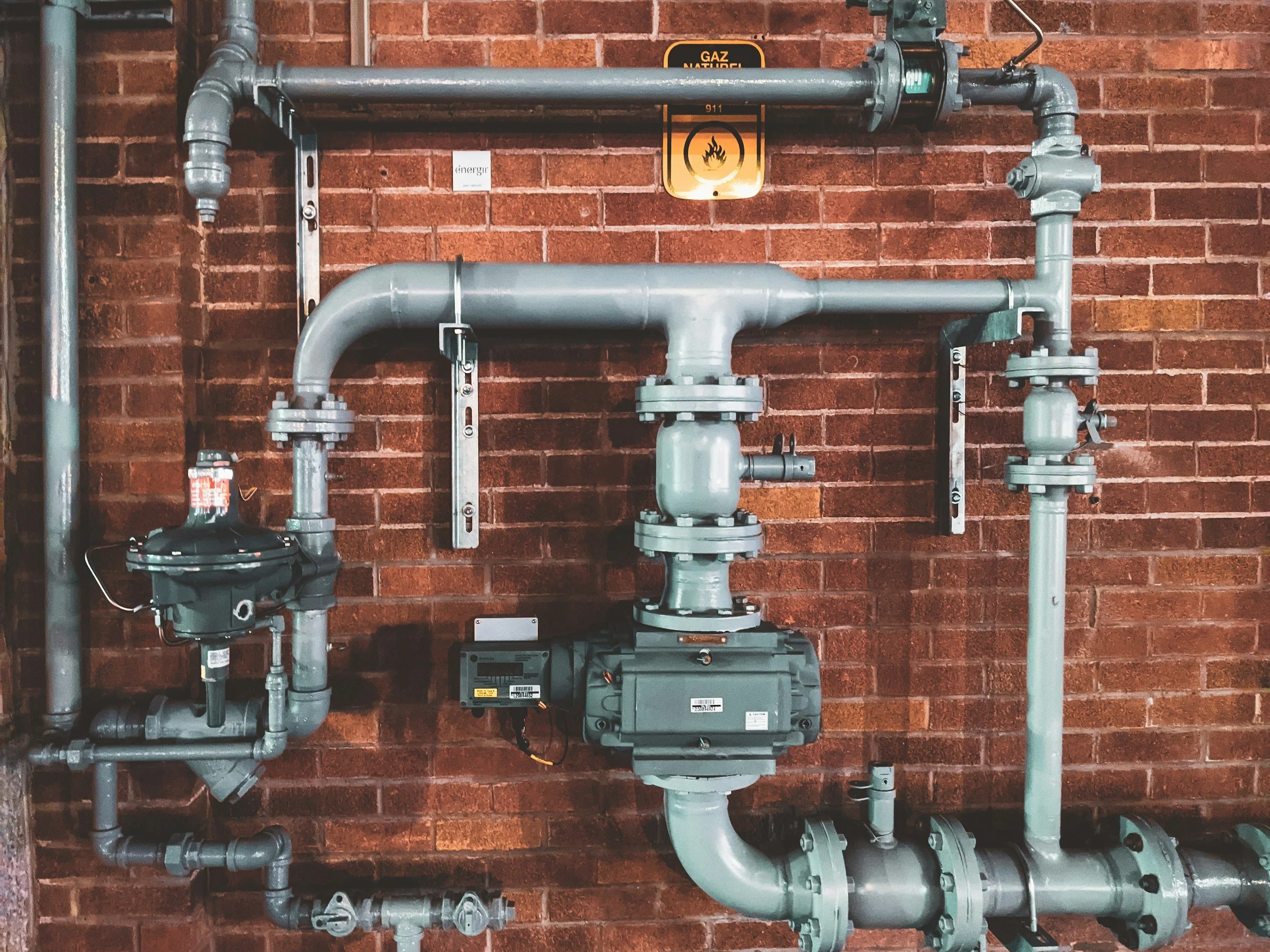
When something goes wrong on an industrial site, it rarely happens at a convenient time. A burst pipe during a night shift, a blocked drain backing up into a production area, or a sudden pressure issue in a plant room can bring operations to a halt very quickly.
In that moment, most people reach for the quickest option they can find, usually whoever claims to be “24/7.” But for industrial environments, speed alone is not what protects your site. Capability is.
Not all emergency plumbers are equipped to handle industrial risk. Choosing the wrong one under pressure can turn a contained issue into a safety incident, a compliance problem, or hours of unplanned downtime.
This guide is designed to help you make a confident, low risk decision, even when time is tight. Instead of recommending any specific provider, it shows you what signals to look for so you can assess any emergency plumber properly before they step on site.
Why “24/7” Availability Isn’t Enough for Industrial Emergencies
If you manage or operate an industrial or commercial site, you already know that plumbing systems in these environments are very different. Higher loads, specialised equipment, shared infrastructure, and strict safety requirements mean mistakes carry heavier consequences.
The problem is that “emergency plumber” is a broad label. Many after hours plumbers are well suited to residential call outs such as leaks, blocked toilets, or hot water failures. Industrial sites demand far more than that.
On an industrial site, an emergency plumber may need to:
Work safely around machinery, electrical systems, or confined spaces
Understand isolation procedures before touching anything
Communicate clearly with site managers, security, or night supervisors
Make decisions that prioritise safety and continuity rather than speed alone
This is where the gap often shows. A plumber can arrive quickly and still be the wrong fit if they are not prepared for industrial conditions.
That is why the most reliable approach is not asking “Who can get here fastest?”
It is asking “Who can manage industrial risk properly once they arrive?”
In the next section, we will break down a practical checklist of signals you can use to tell the difference, whether you are pre vetting providers or making an urgent call during an incident.
The Industrial Emergency Plumber Checklist (Signals That Matter)
When an incident is unfolding, you do not have time to research every option from scratch. That is why having a clear checklist matters. These signals help you separate general emergency plumbers from providers who are genuinely equipped for industrial environments.
You can use this checklist in two ways. First, to pre vet providers before an incident happens. Second, to sanity check a decision when you are already under pressure.
Signal 1: Proven Industrial and Commercial Site Experience
Industrial plumbing is not defined by size alone. It is defined by complexity, shared systems, and risk exposure.
A capable industrial emergency plumber should be able to clearly describe previous work in environments such as factories, warehouses, strata managed buildings, or commercial facilities. They should be comfortable discussing plant rooms, high capacity systems, grease management, and backflow prevention without hesitation.
Strong signals to look for include:
Clear examples of industrial or commercial sites they regularly service
Familiarity with systems that go beyond standard residential plumbing
Confidence explaining how industrial sites differ from domestic jobs
Weak signals include vague claims like “we do everything” or examples that focus heavily on homes and small retail call outs.
Signal 2: Safety and WHS Readiness Under Pressure
On an industrial site, safety is not a formality. It is part of the job.
An emergency plumber who is ready for industrial work will ask about safety before tools come out. They should be prepared for inductions, permits, isolation procedures, and site specific rules without needing to be prompted.
Positive signals include:
Asking early about site access, inductions, and safety requirements
Understanding isolation and shut down procedures before starting work
Comfort working around machinery, electrical risks, or confined areas
A major red flag is any response that treats safety as something to “sort out later” once they arrive.
Signal 3: Emergency Triage and Escalation Capability
Not every emergency can be fully resolved in the first visit. What matters is how well the plumber assesses the situation and escalates when needed.
An industrial ready provider will focus on containment, risk reduction, and continuity first. They should be able to explain what can be stabilised immediately and what requires follow up work or specialist support.
Good signals include:
Asking targeted diagnostic questions during the first call
Explaining likely scenarios and next steps clearly
Having a plan if the issue exceeds first response scope
Poor signals include turning up without the right equipment or having no clear escalation plan beyond basic repairs.
Signal 4: Communication and Incident Reporting Standards
During an emergency, clarity matters as much as technical skill. After the emergency, documentation matters even more.
A reliable industrial emergency plumber communicates calmly and directly during the incident. They also provide clear written information after the fact that can be used internally or for compliance and insurance purposes.
Strong indicators include:
Plain language explanations of what happened and what was done
Clear confirmation of scope and temporary versus permanent fixes
Written follow up or reporting after the incident
If there is no documentation or everything is left verbal, that is a risk you carry forward.
Signal 5: Commercial Reliability in High Stress Situations
Emergencies create pressure, and pressure exposes weak processes.
A dependable provider sets expectations clearly even when time is tight. They confirm access, responsibilities, and next steps so there is no confusion once work begins.
Positive signals include:
Clear confirmation of who is authorising work
Transparency around what will be addressed immediately
Alignment with site managers or supervisors before proceeding
Warning signs include open ended commitments or unclear responsibility during the call out.
Quick Red Flag Checklist (When to Keep Looking)
When you are dealing with an industrial plumbing emergency, ruling out the wrong option quickly can be just as important as finding the right one. This red flag checklist is designed to help you step away from providers who are likely to introduce unnecessary risk to your site.
If you notice more than one of these signs during an initial call or early interaction, it is usually safer to keep looking.
Red Flag 1: No Clear Industrial Experience
If a provider struggles to explain past work on industrial or large commercial sites, that is a warning sign. General statements like “we handle all plumbing jobs” without concrete examples often indicate a residential first focus.
For industrial environments, lack of relevant experience increases the risk of misjudging system complexity or site constraints.
Red Flag 2: Safety Is Treated as an Afterthought
Any emergency plumber who does not ask about site safety, access requirements, or isolation procedures early in the conversation should raise concern.
Industrial sites have established safety protocols for a reason. A provider who downplays them or assumes they can be dealt with later may put your team, their technicians, and your operations at risk.
Red Flag 3: Vague Answers Under Pressure
During an emergency, you need clarity. If responses are vague, rushed, or dismissive when you ask how an issue will be handled, that uncertainty often carries through to the job itself.
Clear thinking and structured communication are critical in high stress situations.
Red Flag 4: No Escalation or Containment Plan
Some plumbing issues cannot be fully resolved in one visit. If there is no discussion of containment, temporary measures, or next steps if the problem is more serious than expected, that is a gap in preparedness.
Industrial ready providers think beyond the immediate fix and plan for continuity.
Red Flag 5: No Written Follow Up or Reporting
If a provider does not offer any form of written follow up after emergency work, you may be left without the documentation needed for internal review, compliance, or insurance.
In industrial settings, undocumented work becomes a liability later.
How to Use This Checklist Before an Emergency Happens
The worst time to evaluate an emergency plumber is when water is already spreading across a floor or production has stopped. The real value of this checklist is how it helps you prepare before anything goes wrong.
A small amount of preparation upfront can significantly reduce risk, stress, and downtime later.
Pre Vet Providers for Your Approved Contractor List
If you are responsible for facilities, operations, or site management, it is worth shortlisting emergency plumbers in advance rather than relying on last minute searches.
Use the checklist to have short, practical conversations with potential providers. You are not looking for perfect answers. You are looking for confidence, clarity, and industrial awareness.
At this stage, pay attention to how they respond to questions about safety, escalation, and site complexity. The way a provider thinks before an emergency is often how they will behave during one.
Prepare the Information They Will Need
Even the most capable emergency plumber cannot work effectively without basic site information. Preparing this in advance helps any provider perform better and faster.
Useful information to have ready includes:
Site access procedures and after hours entry details
Location of isolation points and plant rooms
Key contacts for approvals and decision making
Known system sensitivities or recurring issues
Having this information documented reduces confusion and prevents delays when time matters most.
Reduce Decision Fatigue During an Incident
Emergencies create cognitive overload. When multiple things are happening at once, simple decisions feel harder than they should.
By pre vetting providers and aligning internally on what “good” looks like, you remove guesswork from the moment of crisis. Instead of debating options, you can focus on execution.
This is especially important in industrial environments where delays compound quickly into operational and financial impact.
Making a Confident Call Under Pressure
When an industrial plumbing emergency hits, the goal is not to find the perfect provider. The goal is to make a defensible, low risk decision that protects people, operations, and the site itself.
That is where these signals matter most.
Instead of reacting to whoever answers the phone first, you are using a simple mental filter. Does this provider demonstrate industrial experience? Are they safety aware from the first conversation? Do they communicate clearly and think beyond a quick fix?
If the answer to those questions is yes, you are already reducing risk.
Reframing the Decision in the Moment
Under pressure, it is natural to prioritise speed. But in industrial environments, unmanaged speed often creates secondary problems.
A more reliable frame is this
Fast response plus industrial capability equals real emergency readiness.
This shift helps you stay calm and focused when others are rushing. It also makes it easier to justify decisions internally if they are questioned later.
Using the Checklist in Real Time
You do not need to run through every signal in detail during an emergency. Even one or two clear indicators can guide your choice.
Listen for how questions are asked. Pay attention to whether safety, access, and containment are discussed early. Notice whether next steps are explained clearly or left vague.
These cues tell you far more than marketing claims ever will.
Why This Approach Reduces Long Term Risk
Industrial incidents rarely end when the water stops flowing. There may be follow up works, internal reviews, compliance checks, or insurance discussions.
Choosing a provider who works in a structured, transparent way makes all of that easier. It protects not just the site, but also the people responsible for managing it.
Ultimately, this is what confident decision making looks like under pressure. Not guessing. Not reacting blindly. But applying clear signals to choose a provider who can handle industrial risk properly.
A Practical Way to Reduce Industrial Risk Before It Starts
Industrial plumbing emergencies are unavoidable. What is avoidable is the added risk that comes from making decisions with no structure under pressure.
By focusing on clear signals rather than labels like “24/7” or “emergency,” you give yourself a way to assess any provider quickly and calmly. Industrial experience, safety awareness, escalation thinking, and clear communication are not extras. They are what separate contained incidents from costly disruptions.
For industrial and commercial sites across Melbourne, this approach turns emergency response from a scramble into a process. It helps facilities teams, operations managers, and business owners make decisions they can stand behind later.
Whether you are reviewing contractors now or facing an urgent call out in the future, the principle remains the same.
Choose capability first. Speed should support it, not replace it.
When You Need an Industrial Ready Emergency Plumber in Melbourne
Having a checklist helps you assess any provider. Having a trusted contact ready helps you act faster when it matters.
For industrial and commercial sites across Melbourne, some businesses choose to work with providers who already understand high risk environments, site safety requirements, and after hours response expectations.
Eastplumbing Co works with commercial and industrial clients who need structured emergency response rather than guesswork. Their team focuses on industrial plumbing systems, safety first site access, and clear communication during urgent situations.
If you are reviewing emergency plumbing options or updating your approved contractor list, it can be helpful to speak with a provider in advance, understand how they handle industrial call outs, and confirm whether they are the right fit for your site.
Eastplumbing Co - Commercial & Industrial Plumbing (Melbourne)
Website: https://www.eastplumbingco.com.au/
Emergency & Enquiries: https://www.eastplumbingco.com.au/contact
Email: admin@eastplumbingco.com.au
Phone: 03 8905 4957
Service Area: Melbourne & surrounding industrial zones