
Emergency Plumber in Melbourne: What Commercial & Industrial Sites Actually Need
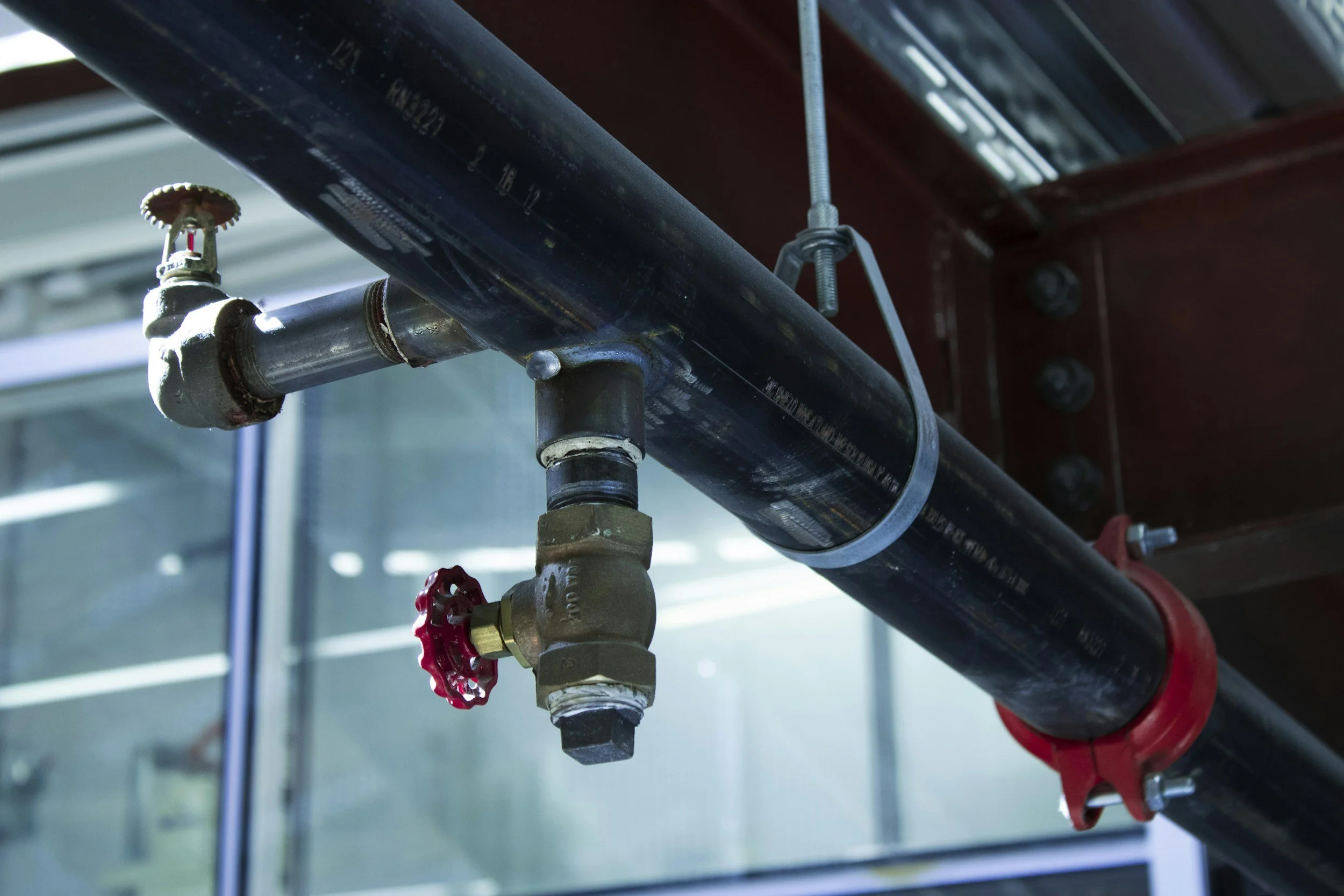
When Small Plumbing Emergencies Become Compliance Problems
In many industrial facilities across Melbourne, plumbing emergencies rarely announce themselves as compliance risks. They begin as practical problems. A slow leak near a production line. A blocked drain after hours. A temporary overflow that appears contained. In the moment, the priority feels obvious: stop the water, keep operations moving, deal with paperwork later.
This is where many compliance failures quietly begin.
Industrial plumbing incidents sit at the intersection of building regulation, environmental protection, and workplace safety. What feels like a routine maintenance response can, if handled incorrectly, create regulatory exposure that only surfaces weeks or months later during an inspection, audit, or incident investigation. Guidance from the Victorian Building Authority on licensed plumbing work and compliance obligations makes it clear that emergency plumbing repairs must still be carried out by appropriately licensed practitioners and meet regulatory standards, regardless of timing or urgency.
In Victoria, industrial sites also operate under strict environmental controls. Even short-lived plumbing failures can become compliance issues if wastewater, chemicals, or contaminated runoff leave the site. EPA Victoria’s guidance on pollution incidents and industrial wastewater management explains that accidental or temporary discharges may still trigger reporting and enforcement obligations where there is a risk of environmental harm.
The core risk is not the plumbing emergency itself. It is the decisions made in the first hours of response. Under-scoping the issue, relying on non-compliant fixes, or failing to document what occurred can turn a manageable incident into a compliance problem that lingers long after the water stops flowing.
This article breaks down the most common wrong decisions businesses make during industrial plumbing emergencies and explains how those decisions create compliance risk. The aim is clarity, not legal advice. When decision-makers understand where things typically go wrong, they are far less likely to repeat those mistakes when pressure is highest.
Risk Category 1: Under-Scoping the Emergency
Treating leaks, blockages, and overflows as “minor” events
In industrial facilities, the first wrong decision often happens before any repair work begins. Leaks, blockages, and overflows are frequently labelled as minor because production has not stopped or the issue appears localised. This framing feels reasonable in the moment, especially during after-hours incidents when the priority is to restore basic function.
From a compliance perspective, this assumption is flawed. Plumbing compliance in Victoria is assessed at a system level, not just at the visible point of failure. The Victorian Building Authority’s guidance on plumbing work and compliance requirements makes clear that all plumbing work, including emergency repairs, must comply with regulatory standards and be carried out by licensed practitioners. When incidents are treated as minor, system-wide impacts are often not assessed, increasing the risk of non-compliance.
Why industrial plumbing failures rarely stay isolated
Industrial plumbing systems support more than basic water flow. They are integrated with trade waste controls, backflow prevention, pressure management, and environmental containment. A blocked drain or leaking pipe can affect downstream discharge points or compromise protective controls elsewhere in the system.
This matters because environmental obligations apply as soon as pollution risk exists. According to EPA Victoria’s guidance on pollution incidents and environmental harm, businesses have a duty to prevent and minimise harm once an incident is known or reasonably foreseeable. Even short-lived or accidental discharges may trigger compliance obligations if contaminated water escapes containment.
In practice, many plumbing failures that appear isolated are the first visible indicator of a broader system vulnerability.
How delayed escalation increases compliance exposure
Under-scoping an emergency often leads to delayed escalation. The issue is monitored rather than formally assessed. Temporary measures are applied without considering compliance implications. Documentation is deferred until normal operating hours.
This delay creates exposure across multiple regulatory areas. From a workplace safety standpoint, water ingress and temporary plumbing alterations can introduce slip hazards, pressure risks, or exposure to contaminants. Safe Work Australia’s guidance on managing risks from plant and infrastructure failures states that employers remain responsible for identifying and controlling risks, even during unplanned maintenance and emergency situations.
Regulators tend to focus not only on what failed, but on how promptly and appropriately the business responded. When early assessment, escalation, and documentation are missing, it becomes far harder to demonstrate that reasonable steps were taken.
The compliance risk here is not created by the plumbing failure itself. It is created by the decision to treat the emergency as smaller than it is. Correctly scoping the incident from the outset is what prevents a minor plumbing issue from escalating into a regulatory problem.
Risk Category 2: Non-Compliant Emergency Fixes
Temporary repairs that violate plumbing codes
During an industrial plumbing emergency, speed often becomes the dominant priority. Temporary fixes are applied to stop leaks, restore flow, or keep systems operational until permanent repairs can be scheduled. While this approach feels practical, it can introduce compliance risk if those temporary measures do not meet regulatory requirements.
In Victoria, plumbing work does not become exempt from compliance because it is temporary or performed under pressure. The Victorian Building Authority’s requirements for compliant plumbing work state that all plumbing work must comply with relevant codes and standards, regardless of whether it is described as provisional, interim, or emergency work. Non-compliant materials, unauthorised alterations, or makeshift connections can all be flagged during later inspections.
The risk is not limited to the quality of the fix itself. Temporary repairs that alter system performance can affect pressure, backflow protection, or drainage capacity in ways that breach compliance obligations.
Licensing and certification requirements during emergency works
Another common mistake is assuming that licensing requirements are relaxed during emergencies. In practice, the opposite is often true. Regulators expect businesses to maintain compliance even when time is limited.
The Victorian Building Authority’s licensing rules for plumbing practitioners make it clear that only appropriately licensed plumbers are permitted to carry out regulated plumbing work in Victoria. This requirement applies equally to after-hours callouts and emergency repairs. Work performed by unlicensed personnel, even if well intentioned, can expose businesses to enforcement action and rectification orders.
For industrial facilities, this is particularly relevant because emergency responses sometimes involve in-house maintenance staff attempting temporary fixes outside their licensing scope. While this may restore function in the short term, it can create clear compliance breaches that are difficult to justify later.
Why “it works” is not the same as “it’s compliant”
A plumbing fix that stops water flow is not necessarily a compliant solution. Compliance is assessed against standards, documentation, and regulatory outcomes, not immediate functionality.
From an environmental standpoint, emergency fixes that reroute discharge or bypass treatment systems can create significant risk. EPA Victoria’s guidance on industrial wastewater and trade waste obligations explains that businesses must manage wastewater in accordance with approval conditions, even during unplanned events. Temporary plumbing changes that result in unauthorised discharge can lead to enforcement action, regardless of whether the change was short-lived.
Compliance failures in this category often surface weeks later, when auditors or inspectors review records and system configurations. At that point, the fact that a repair “worked” operationally offers little protection if it failed to meet regulatory requirements.
The underlying mistake is treating emergency fixes as purely functional decisions. In regulated industrial environments, every plumbing intervention is also a compliance decision, whether that is recognised at the time or not.
Risk Category 3: Documentation and Traceability Failures
Why undocumented emergency work becomes a liability
During plumbing emergencies, documentation is often treated as a secondary task. The focus is on restoring operations, with notes, permits, and records deferred until later. In industrial environments, this delay creates immediate compliance exposure.
Regulators assess not only what action was taken, but whether it can be verified. The Victorian Building Authority’s guidance on compliance certificates and plumbing records explains that prescribed plumbing work must be documented and certified. When emergency work is carried out without proper records, businesses can struggle to prove that repairs were compliant, licensed, and appropriately scoped.
Undocumented work also limits internal accountability. Without clear records, it becomes difficult to confirm what was altered, whether temporary measures remain in place, or whether follow-up remediation is required.
What inspectors typically ask for after an incident
When an inspection or investigation follows an emergency, inspectors rarely focus on the initial fault alone. They look for evidence of decision-making and control. This includes incident timelines, scope assessments, contractor details, and records showing that risks were identified and managed.
Environmental regulators take a similar approach. EPA Victoria’s incident reporting and record-keeping expectations outline that businesses must keep records of incidents, actions taken, and outcomes, particularly where pollution risk exists. If documentation is missing or inconsistent, regulators may assume controls were inadequate.
In practice, the absence of records often raises more concern than the plumbing failure itself. It signals a lack of governance rather than an isolated technical issue.
The role of incident logs, compliance records, and handover notes
Clear documentation does not need to be complex to be effective. What matters is traceability. Incident logs that capture when the issue was identified, who responded, what actions were taken, and what risks were considered create a defensible compliance narrative.
Workplace safety expectations reinforce this approach. Safe Work Australia’s guidance on incident notification and hazard management highlights the importance of recording incidents and controls, even during unplanned events. Emergency conditions do not remove the obligation to demonstrate reasonable risk management.
Handover notes are particularly important when emergencies occur after hours. Without clear communication between response teams and daytime operations, temporary fixes can be forgotten, unresolved risks can persist, and compliance gaps can widen.
The compliance risk in this category is not paperwork for its own sake. It is the inability to demonstrate that appropriate decisions were made under pressure. In regulated industrial settings, undocumented action is often treated as unmanaged risk.
Risk Category 4: Overlooking Secondary Compliance Impacts
Environmental discharge and contamination risks
During an emergency, attention is usually fixed on stopping the immediate fault. What is often missed is where the water goes next. In industrial facilities, plumbing failures can affect trade waste systems, containment zones, and discharge points that are regulated separately from the plumbing asset itself.
Environmental compliance obligations do not depend on intent or duration. According to EPA Victoria’s guidance on pollution incidents and duty to minimise harm, once a business becomes aware, or ought reasonably to be aware, of a pollution risk, it must take action to prevent or minimise environmental harm. Temporary overflows, bypasses, or rerouted discharges during emergency repairs can still fall within this obligation.
A common failure is assuming that because an incident was short-lived, it will not attract scrutiny. In practice, environmental impacts are assessed based on outcome and risk, not how long the condition existed.
Workplace safety hazards created by plumbing failures
Plumbing emergencies also create secondary safety risks that extend beyond the original fault. Water ingress can introduce slip hazards, electrical risks, or structural concerns. Pressure changes or temporary system alterations can expose workers to unexpected failures.
Workplace safety regulators expect these risks to be managed even during emergencies. Safe Work Australia’s guidance on managing risks from infrastructure and plant failures makes clear that employers must identify hazards and implement controls as soon as practicable, including during unplanned maintenance and emergency situations.
When safety impacts are not assessed alongside plumbing repairs, businesses may unintentionally create conditions that breach work health and safety obligations, even if the plumbing issue itself is resolved quickly.
How secondary impacts are assessed during investigations
When regulators investigate incidents, they rarely look at the plumbing failure in isolation. They assess the broader consequences. This includes environmental impact, worker exposure, and whether reasonable steps were taken to identify and manage secondary risks.
Environmental regulators, for example, examine whether discharge controls were adequate once the incident occurred, as outlined in EPA Victoria’s expectations for incident response and investigation. Safety regulators take a similar approach, reviewing whether hazards were foreseeable and whether controls were implemented in a timely manner.
Secondary impacts often become the focus because they indicate how well the business understands its regulatory responsibilities. A plumbing fault may be unavoidable. Failing to manage the consequences rarely is.
The compliance risk here lies in narrow problem framing. When emergencies are treated as single-issue events, secondary environmental and safety obligations are easily overlooked. Recognising these impacts early is critical to preventing a plumbing incident from escalating into a multi-regulatory compliance failure.
Risk Category 5: Assuming Emergencies Are Exempt from Compliance
The myth of “emergency exemptions”
A common assumption during industrial plumbing emergencies is that compliance requirements are relaxed because the situation is urgent. This belief is widespread and rarely questioned in the moment. The logic feels intuitive: restore safety and operations first, deal with compliance later.
From a regulatory standpoint, this assumption is incorrect. Plumbing, environmental, and safety frameworks are designed to apply precisely during high-risk situations, not only during planned works. The Victorian Building Authority’s position on plumbing compliance and emergency work makes clear that emergency status does not remove the obligation to comply with licensing, standards, or certification requirements.
What often surprises businesses is that regulators may scrutinise emergency incidents more closely than routine maintenance, because emergencies carry higher inherent risk.
What regulations actually say about emergency repairs
Regulations generally distinguish between speed of response and exemption from rules. While they recognise the need for prompt action, they do not remove compliance duties. Instead, they expect businesses to take reasonable steps that balance urgency with regulatory control.
Environmental law follows the same principle. EPA Victoria’s explanation of duties during pollution incidents states that businesses must act to prevent or minimise harm once an incident is known or reasonably foreseeable, regardless of whether the incident was planned or accidental. Emergency conditions do not suspend this duty.
In practical terms, this means emergency repairs must still consider where wastewater is discharged, whether containment is maintained, and whether actions taken increase environmental risk.
Why inspectors focus more closely on emergency incidents
When inspections or investigations follow an emergency, regulators are not only interested in the technical fault. They examine how the business responded under pressure. Emergency incidents provide a clear test of governance, preparedness, and decision-making.
Workplace safety regulators apply similar logic. Safe Work Australia’s guidance on incident response and employer duties explains that employers must manage risks and notify certain incidents even when they arise suddenly or unexpectedly. Failure to do so is often interpreted as a systemic issue rather than a one-off oversight.
Because emergencies expose how systems perform when plans are stressed, they often attract deeper scrutiny. Documentation, licensing, escalation decisions, and risk controls are all examined through this lens.
The compliance risk in this category is driven by a false sense of exception. Treating emergencies as outside the rules encourages shortcuts that are difficult to defend later. In regulated industrial environments, emergencies do not suspend compliance. They test it.