
East Plumbing Co.
Preventive Pump Maintenance for Melbourne Shopping Centre
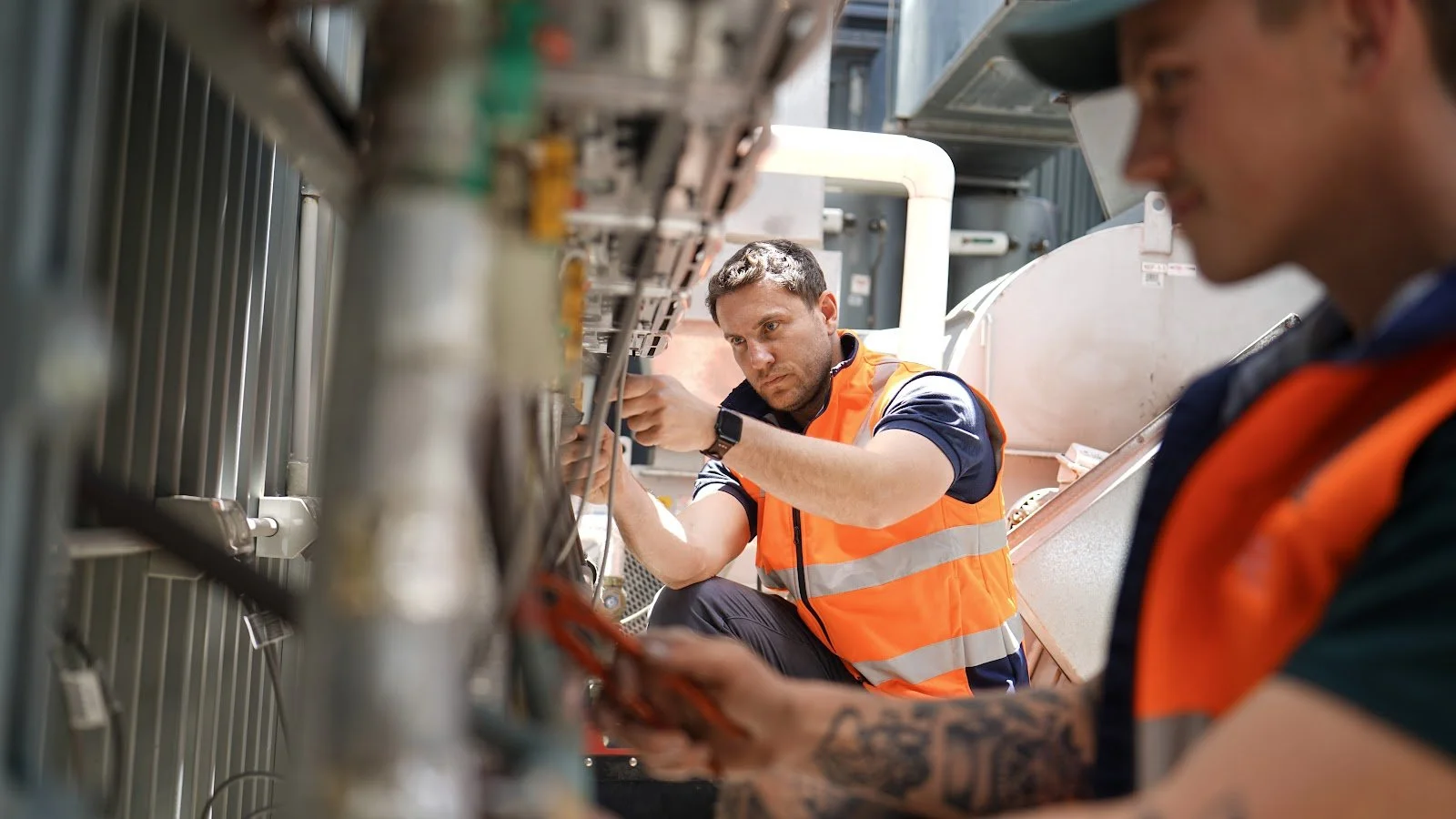
How Professional Pump Servicing Prevents Costly Emergency Failures and Protects Retail Operations
Project Overview
Client Type: Major Shopping Centre, MelbourneLocation: Melbourne Metropolitan Area
Industry: Retail and Shopping Centre Management
Challenge: Facility-wide pump and pit servicing across multiple retail tenancies
Service Type: After-hours preventative plumbing maintenance programme
Systems Serviced: 6 pump wells including sewer and greasy pump systems
Duration: Scheduled overnight maintenance programme
Outcome: Multiple imminent pump failures identified and prevented through proactive servicing
Understanding the Challenge: Why Shopping Centre Pump Maintenance Matters
Shopping centres across Melbourne rely on complex pump systems to manage wastewater from diverse retail tenancies. When commercial plumbing systems fail in these high-traffic environments, the consequences extend far beyond simple inconvenience.
The Critical Role of Pump Systems in Shopping Centres
Modern shopping centres house dozens of businesses, from food courts and restaurants to general retail and service providers. Each tenancy generates wastewater that must be managed effectively. Underground pump systems handle this waste, moving it from below-ground locations to connection points with the main sewer infrastructure.
Without functioning pump systems, shopping centres face immediate operational crises. Sewage cannot drain. Toilets back up. Food service businesses cannot operate. The health risks escalate rapidly, and shopping centre management must take immediate action to protect public safety.
Business Risks When Shopping Centre Pumps Fail
Commercial property managers understand the stakes when critical infrastructure fails. Pump system failures in shopping centres create cascading problems:
Forced Tenant Closures
When pump systems fail, affected tenancies cannot operate. Restaurants and cafes that cannot dispose of wastewater must close immediately. Public amenities become unusable. The shopping centre's ability to function grinds to a halt in affected areas.
Health and Safety Compliance Issues
Sewage backups create immediate health hazards. Environmental health regulations require rapid response, and failure to address sewage problems can result in health department intervention, potential closure orders, and significant penalties.
Emergency Repair Costs
Pump failures rarely happen at convenient times. Weekend failures, public holiday emergencies, and after-hours problems require immediate emergency response at premium rates. Emergency plumbing services cost substantially more than scheduled maintenance, and the urgency prevents careful cost management.
Tenant Relationship Damage
Retail tenants experience lost revenue during forced closures. Food service businesses lose perishable inventory. Customer traffic diminishes across the entire centre when conditions deteriorate. These impacts strain tenant relationships and may contribute to lease disputes.
Reputation and Customer Experience
Shopping centres compete for customer traffic. Sewage odours, closed amenities, and visible maintenance problems drive customers to competing centres. Social media amplifies negative experiences, damaging the shopping centre's reputation across Melbourne's retail market.
The Proactive Alternative: Preventive Pump Maintenance
This shopping centre's management team recognised these risks and chose a different approach. Rather than waiting for pump failures and responding to emergencies, they implemented a comprehensive preventative maintenance programme with East Plumbing Co.
This case study examines how professional preventative pump maintenance protects shopping centre operations, identifies problems before they cause failures, and delivers measurable value to commercial property management.
The Scope: Six Critical Pump Systems Serving Multiple Tenancies
Our preventative maintenance programme covered the complete pump infrastructure across this Melbourne shopping centre. Each pump system serves specific tenancies with unique wastewater characteristics.
System 1: Main Sewer Pump Well
Location: Service corridor adjacent to a major retail anchor tenant
Function: Primary sewer handling for anchor tenant and surrounding retail units
Capacity: High-volume sewer pump managing waste from multiple retail spaces
Criticality: Extremely high - failure affects major anchor tenant operations
This main sewer pump represents the shopping centre's largest capacity system. The anchor tenant relies on this pump for all wastewater disposal. Failure would force the immediate closure of a major retail operation, creating significant revenue impact and potentially triggering lease agreement complications.
System 2: Greasy Pump Well - Quick Service Food Area
Location: Food court service zone
Function: Specialised grease handling for quick-service food retailers
Capacity: Medium-volume pump with grease management capability
Criticality: High - failure affects multiple food service tenancies
Food service operations generate grease-laden wastewater that requires specialised handling. This greasy pump well serves several quick-service food retailers. The pump and associated grease trap system prevent grease from entering main sewer lines where it would cause blockages.
System 3: Greasy Pump Well - Butcher Tenancy
Location: Fresh food precinct service corridor
Function: Managing waste from meat processing and butcher operations
Capacity: Medium-volume pump handling butcher waste water
Criticality: High - hygiene-critical food retail operation
Butcher shops generate wastewater containing blood, fats, and cleaning chemicals. This dedicated pump system manages these specific waste streams. Failure would immediately compromise the butcher's ability to maintain hygiene standards, forcing closure until repairs are completed.
System 4: Greasy Pump Well - Restaurant Precinct
Location: Dining precinct service area
Function: Food court and restaurant waste management
Capacity: High-volume greasy pump serving multiple food businesses
Criticality: Extremely high - affects numerous food service tenants
This pump well serves the shopping centre's primary dining precinct. Multiple restaurants, cafes, and food court vendors rely on this single pump system. Failure creates a crisis affecting numerous businesses simultaneously, multiplying the impact on shopping centre operations.
System 5: Greasy Pump Well - Commercial Bakery
Location: Specialty food retail service zone
Function: Commercial bakery wastewater and grease management
Capacity: Medium-volume pump handling bakery operations
Criticality: High - early morning operation requires reliable infrastructure
Commercial bakeries begin operations in early morning hours, often before shopping centre management staff arrive. Pump failures discovered at 4 AM create immediate problems for bakery operations. This pump's reliability directly impacts the bakery's ability to prepare fresh products for daily trade.
System 6: Greasy Pump Well - Food Retail
Location: Specialty food corridor
Function: Confectionery and specialty food retail waste handling
Capacity: Low-to-medium volume pump serving food retail
Criticality: Medium - affects specialty food retailers
While lower capacity than major food service pumps, this system serves retail businesses that cannot operate without functioning waste water disposal. Chocolatiers, confectionery shops, and specialty food retailers depend on this pump for cleaning operations and product preparation.
Our Approach: Professional After-Hours Pump Maintenance
East Plumbing Co.'s preventative pump maintenance programme was designed to minimise disruption to shopping centre operations while delivering comprehensive servicing to all critical pump systems.
Scheduling Strategy: Protecting Retail Trading Hours
After-Hours Access and Coordination
All pump servicing work occurred after shopping centre trading hours. This fundamental requirement shaped every aspect of our service delivery approach.
We coordinated scheduling with shopping centre management to identify optimal maintenance windows. Work began after the last retailers closed and concluded before early-morning tenants arrived for preparation work.
Permits, Safety, and Compliance Documentation
Commercial plumbing work in shopping centres requires comprehensive documentation:
Work permits issued by shopping centre management
Safe Work Method Statements (SWMS) for all maintenance activities
Confined space entry procedures and permits
Safety barriers and exclusion zone establishment
Emergency contact protocols
Insurance and liability documentation
Our team completed all required documentation before commencing work, ensuring full compliance with shopping centre policies and WorkSafe Victoria requirements.
Coordination with Specialist Contractors
Pump well maintenance requires specialist waste removal services. We coordinated with licensed waste contractors to drain pump wells safely and dispose of contents in accordance with environmental regulations.
This coordination ensured efficient workflow, with waste removal completing promptly so our team could proceed with pump inspection and servicing.
Comprehensive Service Process for Each Pump Well
Our preventative maintenance service follows a systematic process designed to assess conditions thoroughly, service all components professionally, and document findings comprehensively.
Phase 1: Preparation, Draining and Safe Access
Before accessing pump wells, we ensured proper preparation:
Professional waste contractors drained each pump well completely, removing all liquid contents for appropriate disposal. This essential first step allows safe access to pumps and inspection of well conditions.
Our team implemented confined space entry procedures, including atmospheric testing, ventilation, and safety equipment. Pump wells are classified as confined spaces under workplace safety regulations, requiring strict safety protocols.
We conducted initial visual inspections to identify obvious problems, damage, or concerning conditions before proceeding with detailed work.
Phase 2: Pump and Grinder Removal and Inspection
With safe access established, our qualified plumbers removed pumps from wells for thorough inspection:
Complete pump removal allows detailed examination of components that cannot be assessed while pumps remain installed. We inspected pump housings, impellers, seals, and mechanical components.
Grinder pumps received particular attention. These units include cutting mechanisms that macerate solid waste before pumping. Grinder blades, bearings, and cutting chambers were cleaned and inspected for wear.
Pump seals were examined for deterioration. Failed seals allow water into pump motor housings, causing electrical failures and motor burnout. Seal condition provides critical insight into remaining pump service life.
Bearings were assessed for wear, roughness, or play. Bearing failure leads to pump malfunction and potential motor damage. Early identification of bearing wear allows planned replacement before failure occurs.
Phase 3: Float Switch Testing and Adjustment
Float switches control pump operation, activating pumps when water levels rise and deactivating them when levels drop. These critical components require regular testing:
We tested each float switch through its complete range of motion, verifying smooth operation without sticking or binding. Float switches exposed to grease and debris can become stuck, preventing proper pump activation or deactivation.
Electrical connections to float switches were inspected for corrosion, looseness, or damage. Poor electrical connections cause intermittent operation, creating unreliable pump performance.
Float switch activation levels were verified and adjusted if necessary. Proper float positioning ensures pumps activate before wells overflow while preventing pumps from running dry and burning out motors.
Phase 4: Electrical System Verification
Pump reliability depends on properly functioning electrical systems:
All electrical connections were inspected for tightness, corrosion, and proper termination. Loose connections create heat, leading to connection failure and potential electrical fires.
We tested pump motor operation, listening for unusual noises, vibration, or irregular running. These symptoms indicate bearing problems, impeller damage, or motor issues requiring attention.
Electrical isolation procedures were verified, ensuring emergency shut-off capabilities function correctly if problems develop.
Phase 5: Pit Condition Assessment
The pump well itself requires inspection:
We assessed the concrete pit condition, looking for cracks, deterioration, or structural problems that could worsen over time.
Inlet pipe conditions were checked for damage, blockage, or concerning deterioration.
Well depth and sludge accumulation were measured. Excessive sludge buildup reduces effective well volume, increasing pump cycling frequency and reducing pump life.
Phase 6: System Testing Under Load
After servicing, each pump system was tested operationally:
Pumps were run through complete cycles, from activation through pumping and automatic shut-off. We verified proper operation at all stages.
Flow rates were assessed to ensure pumps delivered expected performance. Reduced flow rates indicate impeller wear, blockages, or pump deterioration.
Automatic shut-off functionality was confirmed, ensuring pumps stop properly rather than running continuously and burning out.
Unusual noise or vibration during operation was noted for further investigation. These symptoms often indicate developing problems requiring attention.
Phase 7: CCTV Drain Inspection
Our preventative maintenance included CCTV camera inspection of drain lines feeding each pump well:
We inserted waterproof inspection cameras into inlet drains, recording video footage as cameras travelled through pipe systems.
This inspection revealed:
Drain line condition and any cracks, breaks, or deterioration
Root intrusion into drain pipes
Grease buildup on pipe walls
Blockages or restrictions reducing drainage capacity
Joint displacement or pipe separation
CCTV inspection provides visual documentation of drain condition, allowing informed decisions about required repairs or cleaning.
Phase 8: Comprehensive Documentation
Following service completion, we provided detailed documentation:
Written Service Reports describing work performed, conditions found, and recommendations for each pump system.
Photographic Documentation showing component conditions, wear patterns, and any concerns identified during inspection.
CCTV Video Footage recorded from drain inspections, provided digitally for shopping centre records.
Maintenance Recommendations specifying components requiring attention at next service or items requiring prompt replacement.
This comprehensive documentation provides shopping centre management with complete information for decision-making, budget planning, and compliance records.
Critical Findings: Problems Identified Before They Caused Failures
Our preventative maintenance service identified several components nearing failure. Finding these problems during scheduled maintenance rather than through emergency callouts delivered substantial value.
Finding 1: Main Sewer Pump - Deteriorating Float Switches
System: Major retail anchor tenant sewer pump
Problem Identified: Float switches showing significant wear and inconsistent operation
Symptoms: Sticking during operation, erratic activation patterns
Detailed Assessment:
The main sewer pump serves the shopping centre's largest retail anchor tenant. This pump operates constantly throughout trading hours as the anchor tenant's amenities and back-of-house facilities generate continuous waste water.
During testing, we observed float switches sticking at certain positions rather than moving smoothly through their range. This concerning behaviour indicates deterioration of float mechanisms.
Float switches in greasy environments accumulate buildup that affects movement. Grease and debris create friction, preventing smooth operation. Over time, this buildup worsens until floats fail to activate or deactivate pumps properly.
Failure Scenario if Not Addressed:
If float switches fail to activate, pumps don't start when water levels rise. The pump well overflows, causing sewage backup into the tenancy. The anchor tenant must close immediately, creating significant revenue loss and potential lease complications.
If float switches fail to deactivate, pumps run continuously even when wells are empty. Pumps running dry overheat rapidly, burning out motors. Emergency pump replacement during trading hours maximises disruption and cost.
Our Recommendation:
Replace float switches at the next scheduled maintenance service. Continue monitoring pump operation closely in the interim. Consider increasing service frequency for this critical system given high usage levels.
Value Delivered:
Identifying this developing problem during scheduled maintenance allows planned float switch replacement at standard rates during convenient timing. Emergency float switch failure would trigger after-hours callouts, emergency parts procurement, and potential anchor tenant closure - a scenario avoided through preventative maintenance.
Finding 2: Butcher Tenancy Pump - Advanced Component Wear
System: Fresh food precinct butcher shop pump
Problem Identified: Float switches deteriorated, pump showing multiple indicators of wear
Symptoms: Rough pump operation, bearing noise, worn seals, compromised float switches
Detailed Assessment:
The butcher tenancy pump exhibited multiple concerning conditions during inspection. This system showed significantly more wear than other pumps in the shopping centre, indicating either higher usage intensity or longer time since previous service.
Float switches displayed advanced deterioration with significant buildup and restricted movement. The mechanical condition suggested these components were approaching failure.
The pump itself showed concerning indicators:
Bearing noise during operation suggesting bearing wear
Seal condition indicating water had entered areas designed to remain dry
Impeller wear visible during inspection
General component condition suggesting the pump was nearing end of service life
Failure Scenario if Not Addressed:
This pump system presented elevated failure risk. Multiple worn components increase the probability of failure occurring soon.
Butcher shops maintain strict hygiene requirements. Waste water must drain continuously to support cleaning operations essential for food safety compliance. Pump failure forces immediate closure and creates significant health and safety concerns.
Emergency failure during weekend trading would create maximum impact. The butcher would lose not only weekend revenue but potentially entire inventory of fresh and chilled products if the shop cannot maintain hygiene standards.
Our Recommendations:
Immediate: Replace float switches at next scheduled service Near-term: Budget for complete pump replacement within the next six months Monitor: Increase inspection frequency for this system given its condition
Value Delivered:
This finding allowed shopping centre management to budget for pump replacement during their next financial planning cycle rather than facing unplanned emergency expenditure. Scheduling replacement during a convenient maintenance window minimises tenant disruption compared to emergency replacement during trading hours.
Early identification of this pump's condition prevented a scenario where emergency failure forces reactive replacement at the worst possible time with maximum cost and disruption.
Finding 3: All Greasy Pump Systems - Grease Accumulation Management
Systems: All food service-related pump wells
Problem Identified: Grease accumulation requiring ongoing attention
Condition: Managed but requiring continued monitoring
Detailed Assessment:
Food service operations generate grease-laden waste water that creates unique challenges for pump systems. Despite the presence of grease traps designed to capture grease before it enters pump wells, some grease inevitably reaches pump systems.
Our inspection found grease accumulation in all food service pump wells. While current accumulation levels were manageable, the presence of grease confirms the need for regular, ongoing maintenance.
Grease in pump wells creates multiple problems:
Coats pump components, affecting operation and heat dissipation
Restricts float switch movement, causing activation problems
Accumulates in wells, reducing effective volume
Creates odours if not properly managed
Hardens over time, becoming increasingly difficult to remove
Failure Scenario if Not Addressed:
Without regular cleaning and maintenance, grease accumulation worsens progressively. Float switches become stuck in grease buildup, preventing proper pump activation. Pumps work harder against grease resistance, accelerating wear and reducing service life.
Eventually, grease accumulation causes pump failure, requires complete well cleaning, and may necessitate pump replacement if grease has damaged internal components.
Our Recommendations:
Continue quarterly preventative maintenance servicing for all food service pump systems. This frequency allows regular grease removal before accumulation creates operational problems.
Consider reviewing grease trap servicing schedules for food service tenancies. More frequent grease trap cleaning reduces the grease reaching pump systems.
Value Delivered:
Regular preventative maintenance keeps grease accumulation at manageable levels, preventing the progressive deterioration that leads to pump failure. Quarterly servicing is significantly more cost-effective than allowing grease to accumulate until emergency action becomes necessary.
The Results: Measurable Value from Preventive Maintenance
This preventative maintenance programme delivered substantial value to shopping centre management through multiple channels.
Immediate Operational Benefits
Six Pump Systems Serviced to Professional Standards
Every critical pump system across the shopping centre received comprehensive professional servicing. Each system was cleaned, inspected, tested, and documented to high professional standards.
Zero Business Disruption During Maintenance
Despite the extensive work scope, no retail tenant experienced any disruption to trading. All work occurred outside trading hours, demonstrating that comprehensive pump maintenance is achievable without affecting shopping centre operations.
Two Imminent Failures Identified and Prevented
The main sewer pump and butcher tenancy pump both exhibited conditions suggesting failure was approaching. Identifying these problems during scheduled maintenance rather than through emergency failures delivered substantial value.
Complete Documentation for Property Management
Shopping centre management received detailed written reports, photographic documentation, and CCTV video footage documenting all pump system conditions. This comprehensive documentation supports informed decision-making, budget planning, and demonstrates due diligence for insurance and compliance purposes.
CCTV Records for Future Reference
Video inspection footage of all drain lines feeding pump systems provides baseline documentation for future comparison. If drainage problems develop, historical footage helps identify whether problems result from recent changes or long-standing conditions.
Long-Term Asset Management Value
Extended Equipment Service Life
Proper maintenance significantly extends pump equipment life. Pumps receiving regular professional servicing typically operate three to five years longer than pumps maintained reactively. This extended service life defers capital expenditure for pump replacements.
Predictable Maintenance Budgeting
Preventative maintenance converts unpredictable emergency expenses into predictable, scheduled costs. Shopping centre management can budget accurately for known maintenance schedules rather than maintaining contingency reserves for unknown emergency scenarios.
Reduced Risk of Catastrophic Failures
The most expensive pump failures are those that occur without warning during peak trading periods. Preventative maintenance dramatically reduces the probability of catastrophic failure by identifying developing problems early.
Improved Tenant Relationships and Satisfaction
Tenants benefit from reliable infrastructure that supports their operations without interruption. Proactive maintenance demonstrates shopping centre management's commitment to providing quality facilities, strengthening tenant relationships and supporting lease renewals.
Enhanced Asset Value and Marketability
Well-maintained properties with documented maintenance histories command premium values in commercial property markets. Comprehensive maintenance records demonstrate responsible asset management to potential purchasers and investors.
Insurance and Liability Protection
Documented preventative maintenance demonstrates due diligence in asset management. This documentation supports insurance claims if problems occur despite proper maintenance and may reduce liability exposure if third-party claims arise from infrastructure failures.
Understanding the True Cost of Pump Failures vs Preventive Maintenance
To appreciate the value preventative maintenance delivers, it's essential to understand the full cost of pump system failures in commercial environments.
The Hidden Costs of Emergency Pump Failures
When shopping centre pumps fail unexpectedly, the immediate repair cost represents only a fraction of the total expense.
Emergency Callout Fees
After-hours emergency plumbing services command premium rates reflecting the inconvenience and resource allocation required. Weekend and public holiday emergencies attract the highest premium rates.
Accelerated Parts Costs
Emergency situations require immediate parts availability. Standard procurement channels with competitive pricing give way to emergency suppliers who charge premium prices for immediate delivery.
Tenant Business Interruption
Food service businesses forced to close lose that day's revenue entirely. Fresh food retailers may lose inventory if facilities cannot maintain hygiene standards. The shopping centre may face compensation claims or rent reductions depending on lease terms.
Cleanup and Remediation Costs
Sewage backups require professional cleanup and sanitisation services. Affected areas must be thoroughly cleaned and disinfected before businesses can reopen. Cleanup costs can be substantial depending on the extent of contamination.
Health Department Involvement
Sewage problems in food service areas trigger health department notification requirements. Health inspectors may impose additional requirements or restrictions, extending the time before normal operations resume.
Reputation and Customer Impact
Sewage problems and resulting closures affect customer perceptions of the shopping centre. Social media amplifies negative experiences, potentially affecting customer traffic across the entire centre.
Management Time and Stress
Emergency situations consume substantial management time coordinating responses, managing tenant relationships, and ensuring appropriate remediation. This crisis management time diverts management attention from normal operations and strategic priorities.
The Predictable Investment of Preventive Maintenance
Preventive maintenance converts the unpredictable, expensive emergency scenario into a predictable, managed investment.
Scheduled at Convenient Times
Maintenance occurs during optimal windows chosen to minimise impact. After-hours scheduling eliminates disruption to retail operations while allowing thorough, unhurried work.
Standard Commercial Rates
Scheduled maintenance work is charged at standard commercial rates rather than emergency premium pricing. Budgeting for known maintenance costs provides financial predictability.
Problems Identified Before Failure
Preventive inspection identifies components nearing failure, allowing planned replacement during scheduled maintenance windows rather than emergency replacement when failure occurs.
Extended Equipment Life
Regular maintenance extends pump service life substantially. The cost of preventative service is dramatically lower than the cost of premature pump replacement resulting from inadequate maintenance.
Tenant Operations Protected
Reliable infrastructure resulting from preventative maintenance means tenants operate without interruption. This reliability supports tenant satisfaction, lease renewals, and stable occupancy.
Management Confidence
Documented preventative maintenance provides management confidence that critical infrastructure is professionally maintained and monitored. This confidence allows focus on strategic priorities rather than infrastructure concerns.
Key Learnings for Shopping Centre Property Managers
This case study demonstrates several important principles for shopping centre property management.
Principle 1: Pump Failures Are Predictable and Preventable
Pump components wear in known patterns. Float switches accumulate buildup and restrict movement. Seals deteriorate over time. Bearings develop wear and noise. These wear patterns are predictable, making failure prevention achievable through regular inspection.
The pumps in this case study exhibiting concerning conditions would have failed in the coming months without intervention. Preventive maintenance identified these developing problems before failure occurred, allowing proactive management rather than reactive emergency response.
Principle 2: After-Hours Servicing Successfully Protects Retail Operations
Comprehensive pump maintenance is achievable without disrupting retail tenants. After-hours scheduling requires coordination and planning, but the result is thorough professional maintenance with zero tenant impact.
This shopping centre's experience demonstrates that property managers need not choose between maintenance quality and operational continuity. Professional commercial plumbers can deliver both through proper scheduling and coordination.
Principle 3: Food Service Pump Systems Require Specialised Ongoing Attention
Greasy pump systems serving food service tenancies present unique maintenance requirements. Grease accumulation is inevitable despite grease traps, requiring regular professional cleaning and servicing.
Quarterly maintenance schedules are appropriate for high-traffic shopping centres with significant food service operations. This frequency manages grease accumulation before it creates operational problems.
Principle 4: Comprehensive Documentation Supports Informed Decision-Making
Detailed service reports, photographic documentation, and CCTV footage provide shopping centre management with complete information for planning and budgeting.
Rather than relying on verbal recommendations, management receives documented evidence supporting maintenance recommendations. This documentation aids budget approvals and demonstrates due diligence to ownership and investors.
Principle 5: Preventive Programmes Deliver Superior Long-Term Value
While preventative maintenance represents an ongoing investment, the long-term value substantially exceeds the cost of reactive emergency-only approaches.
Extended equipment life, avoided emergency costs, protected tenant relationships, and management confidence combine to deliver value far exceeding the maintenance investment.
The Ongoing Partnership: Long-Term Value from Consistent Service
Following this initial facility-wide service, the shopping centre established an ongoing quarterly preventative maintenance programme with East Plumbing Co.
Benefits of Ongoing Partnership Relationships
Accumulated System Knowledge
Each service visit adds to our understanding of the shopping centre's pump systems. We know the history of each pump, previous service actions, and patterns of wear. This accumulated knowledge allows increasingly accurate assessment and recommendations.
Faster, More Efficient Service
Familiarity with systems, access points, and procedures makes each service visit more efficient. We know exactly where systems are located, how to access them efficiently, and what to expect during servicing.
Proactive Recommendations Based on Trends
Multiple service visits allow trend analysis. We can observe whether conditions are stable, improving, or deteriorating. Trend information supports more accurate prediction of maintenance needs.
Established Relationships with Management and Tenants
Ongoing partnerships build relationships with shopping centre management and tenant representatives. These relationships facilitate communication, coordination, and efficient problem resolution when needed.
Priority Emergency Response
Maintenance programme clients receive priority scheduling for any urgent issues that arise between scheduled services. This priority access provides additional protection and peace of mind.
Implementing Preventive Pump Maintenance at Your Shopping Centre
Shopping centres across Melbourne can benefit from professional preventative pump maintenance programmes.
Signs Your Shopping Centre Would Benefit from Preventive Maintenance
Consider implementing preventative maintenance if your shopping centre exhibits any of these indicators:
No Regular Servicing Schedule Currently in Place
If pump systems only receive attention when problems occur, you're operating reactively and accepting elevated failure risk.
Frequent Emergency Pump Callouts
Multiple emergency pump calls suggest underlying maintenance issues. Emergency callouts are symptoms of inadequate preventative care.
Sewage Odours Near Pump Locations
Odour problems indicate accumulating waste, inadequate ventilation, or pump system problems requiring professional attention.
Tenant Complaints About Drainage Issues
Slow drainage, backing up fixtures, or other tenant-reported drainage problems may indicate developing pump or drainage system issues.
Unknown Pump System Conditions
If property management cannot describe pump system conditions, locations, or recent service history, comprehensive assessment and ongoing maintenance would provide valuable visibility.
No CCTV Records of Drainage System Conditions
Without baseline CCTV documentation, you cannot assess whether drainage system conditions are stable or deteriorating. CCTV inspection provides essential information for maintenance planning.
Pumps or Float Switches Without Recent Service History
If systems haven't been professionally serviced recently, accumulated wear increases failure risk. Comprehensive servicing identifies and addresses developing problems.
Implementing a Preventive Maintenance Programme
Step 1: Comprehensive Initial Assessment
Begin with a thorough assessment of all pump systems. This initial service establishes baseline conditions, identifies immediate concerns, and provides a foundation for ongoing maintenance.
Step 2: Develop Appropriate Service Schedule
Work with your commercial plumber to establish service frequency appropriate for your shopping centre's specific conditions. Factors influencing frequency include:
Number and type of pump systems
Food service tenancy concentration
Historical problem frequency
System age and condition
Shopping centre size and traffic levels
Quarterly servicing is appropriate for most shopping centres with food service operations. Properties with extensive food service or older systems may benefit from more frequent attention.
Step 3: Schedule Services During Optimal Windows
Coordinate service timing with shopping centre operations to minimise impact. After-hours scheduling protects tenant operations while allowing thorough, unhurried maintenance work.
Step 4: Review Documentation and Act on Recommendations
Following each service, review detailed documentation provided by your commercial plumber. Prioritise recommended actions based on urgency and budget availability.
Address urgent recommendations promptly while planning for longer-term recommendations in budget cycles.
Step 5: Monitor Results and Refine Programme
Track emergency callout frequency, tenant complaints, and overall pump system reliability. Successful preventative maintenance programmes show declining emergency incidents and improving system reliability.
Why Melbourne Shopping Centres Choose East Plumbing Co for Pump Maintenance
East Plumbing Co specialises in commercial plumbing maintenance for Melbourne shopping centres, office buildings, and body corporate properties.
Shopping Centre Expertise
Our team understands shopping centre operational requirements, tenant relationships, and the critical importance of maintaining facilities without disrupting retail operations.
We've serviced pump systems across numerous Melbourne shopping centres, gaining extensive experience with the unique challenges these properties present.
After-Hours Operational Capability
Shopping centre maintenance requires after-hours scheduling capability. We've built our business around serving commercial properties outside normal trading hours.
Our team regularly works overnight, early morning, and weekend schedules to protect shopping centre operations while delivering comprehensive maintenance services.
Comprehensive Documentation
We provide shopping centre management with detailed documentation supporting informed decision-making and demonstrating due diligence:
Written service reports with detailed findings
Photographic documentation of component conditions
CCTV video footage of drainage system inspections
Specific maintenance recommendations with priority levels
Digital documentation for easy sharing and archiving
Professional Equipment and Capabilities
Commercial pump maintenance requires professional equipment. Our service vehicles carry:
CCTV inspection equipment for drain assessment
High-pressure water jetting for drain cleaning
Specialised pump servicing tools and equipment
Comprehensive parts inventory for common repairs
Safety equipment for confined space work
Qualified, Experienced Team
All maintenance work is performed by qualified, licensed plumbers with extensive commercial experience. Our team understands commercial pump systems, confined space safety requirements, and shopping centre operational needs.
24/7 Emergency Response
Despite preventative maintenance, occasional emergency situations may arise. We provide genuine 24/7 emergency response with 60-minute arrival times across Melbourne, ensuring immediate support when urgent situations develop.
Start Your Preventive Maintenance Programme
Don't wait for pump system failures to force action. Preventative maintenance protects operations, reduces costs, and provides peace of mind.
East Plumbing Co offers complimentary consultations for Melbourne shopping centres interested in implementing or improving preventative pump maintenance programmes.
Contact East Plumbing Co Today
📍 Location: Braeside, Melbourne VIC
☎ Phone: (03) 8905 4957
✉ Email: admin@eastplumbingco.com.au
🌐 Website: www.eastplumbingco.com.au
Available 24/7 for emergency plumbing services across Melbourne
Related Services
Preventative Maintenance Programmes - Scheduled servicing for commercial properties
Pump and Pit Servicing - Comprehensive pump system maintenance
Shopping Centre Plumbing - Specialist shopping centre plumbing services
Emergency Commercial Plumbing - 24/7 emergency response across Melbourne
CCTV Drain Inspection - Professional drainage system assessment
High-Pressure Drain Jetting - Professional drain cleaning services
Related Services
Preventative Maintenance Programmes - Scheduled servicing for commercial properties
Pump and Pit Servicing - Comprehensive pump system maintenance
Shopping Centre Plumbing - Specialist shopping centre plumbing services
Emergency Commercial Plumbing - 24/7 emergency response across Melbourne
CCTV Drain Inspection - Professional drainage system assessment
High-Pressure Drain Jetting - Professional drain cleaning services