
Commercial Plumbing Expectations vs Reality for Melbourne Businesses
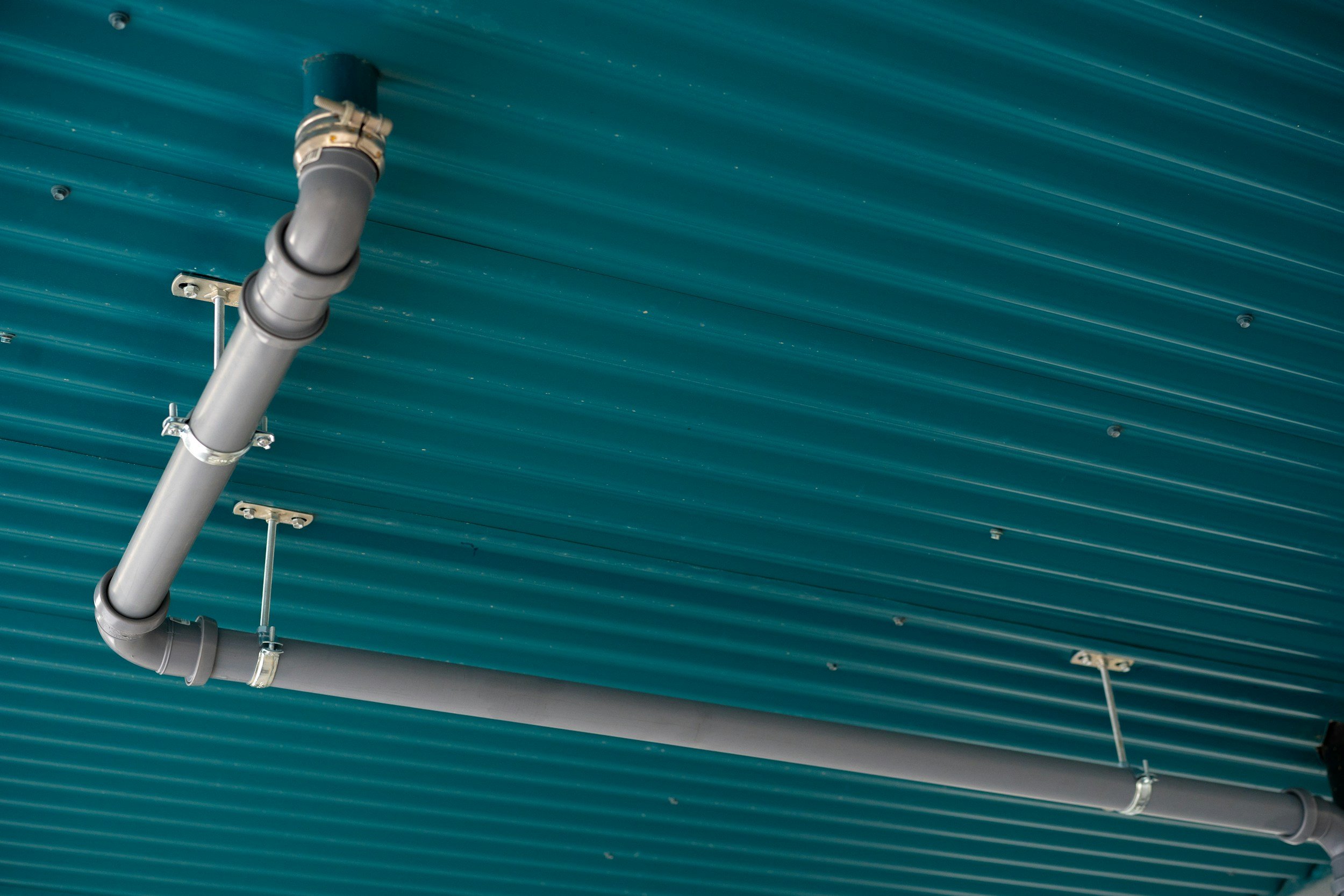
The common expectation about commercial plumbing
When you search for a commercial plumber, you are usually not looking for a plumbing lesson. You are looking for one simple outcome. The problem gets fixed, the business keeps running, and the cost does not spiral.
So it makes sense that the default expectation is:
show up on time
finish on time
stick to the quote
minimal disruption, ideally in one visit
In commercial settings, though, that tidy version often bumps into reality. Not because anyone is trying to make it difficult, but because commercial jobs involve more moving parts and more constraints than most people account for at first.
“On time and on budget” is the baseline expectation
Most Melbourne businesses start with the assumption that a quote works like a receipt. You agree on the number, the plumber does the work, everyone goes back to normal.
In practice, commercial plumbing quotes often need an invisible qualifier:
“On time and on budget, if the site conditions match what we can confirm upfront.”
That is not vague language. It is a practical truth about jobs where access, shutdown windows, approvals, and unknowns can materially change the scope once work begins.
Commercial is just residential plumbing, scaled up
Another common expectation is that commercial simply means bigger pipes, larger fixtures, and higher capacity. So the process should be basically the same, just with more labour.
But the real difference is usually environment and accountability:
more stakeholders such as tenants, building management, and site supervisors
more coordination such as access, isolations, inductions, and permits
more consequences such as downtime, safety implications, compliance exposure, and reputational impact
The plumbing itself matters. But commercial work is often won or lost in the planning and control of disruption.
A good plumber can fix it in one visit
It is also natural to assume a competent plumber can arrive, diagnose, and fix the issue immediately.
Sometimes that happens.
But many commercial problems, such as blocked drains, intermittent pressure drops, and recurring leaks, are less like replacing one part and more like tracing a cause chain. A quick fix may stop the symptom, while the underlying driver continues until it becomes a bigger interruption later.
This is where expectation gaps begin. Commercial work often needs a diagnostic first step, or at least a clear boundary around what is confirmed versus what is still unknown, before anyone can responsibly promise time and cost with certainty.
The real world reality for Melbourne businesses
Once you move from the idea of commercial plumbing to the day to day reality of it, three things tend to shape outcomes far more than people expect: access and coordination, scope certainty, and documentation expectations.
Access and coordination shape the timeline
In a commercial setting, the plumbing issue is rarely the only moving part. The job often has to fit inside an operating environment with rules, people, and tight windows.
Common timeline drivers include:
Building management requirements such as access approval, keys, and escort rules
Tenant coordination where the work affects multiple suites, kitchens, or bathrooms
Shutdown and isolation windows that need sign off, especially if water supply impacts operations
Site induction or safety processes that can be mandatory before work begins
Loading, parking, and access constraints that are very real in parts of Melbourne, especially where access is limited
This is why “start time” and “finish time” are not always fully controlled by the plumber. A job can be technically straightforward, but still delayed because one missing approval or one inaccessible riser makes the site effectively unworkable until access is cleared.
Scope is often partially unknowable upfront
Businesses often expect a quote to cover the full fix. The catch is that many commercial plumbing issues are not like ordering a replacement part. They are closer to troubleshooting a system, especially in older buildings or buildings with multiple historical modifications.
A few examples of why scope can shift mid job:
A blocked drain that appears local, but the underlying restriction is further down the line
A leak that presents in one place, but originates from a different level or a concealed run
A pressure issue that is caused by multiple factors such as valve condition, backflow devices, or internal distribution design
A “simple replacement” that reveals non standard fittings, corrosion, or prior patchwork that needs to be corrected to complete the job safely
This does not mean quoting is unreliable. It means that on some jobs, the responsible approach is to treat the first visit as confirmation work. Once the cause is verified, the plan becomes more predictable.
Documentation and compliance are part of the job
In commercial environments, the finish line is not always “the water is flowing again.” Often the finish line includes proof of what was done, what was installed, and whether the work meets the required standard.
That can include documentation expectations such as:
Records for internal maintenance logs
Details to support insurance or audit requirements
Compliance paperwork where applicable, depending on the work performed
When businesses do not factor this in upfront, the expectation gap appears later, often at handover time, during a property manager review, or when a stakeholder asks for paperwork after the job is already complete.
Quick reality check
If you want fewer surprises, the most helpful mindset shift is this:
Commercial plumbing is not just technical work. It is technical work inside an operational system.
That system includes people, access, timing constraints, and accountability requirements. The best outcomes happen when those variables are acknowledged early and managed deliberately.
Why the gap exists
The expectation gap in commercial plumbing usually comes from one thing. People try to treat a commercial job like a simple transaction, when it behaves more like a controlled operation.
There are four variables that most often decide whether a job stays smooth and predictable, or becomes the kind of job that feels like it “blew out” even when everyone is acting in good faith.
Variable 1: Urgency versus downtime tolerance
If the business can tolerate downtime, the best path is often straightforward. You schedule during normal hours, isolate what you need, complete the work, and restore services.
If downtime is expensive or unacceptable, the “best” plan changes. It shifts toward:
staged work so only part of the building is impacted at a time
after hours windows to protect trading hours or tenant operations
temporary workarounds to keep essential services running until the full fix is completed
This is one of the most common reasons “on budget” becomes difficult. The lowest disruption plan often requires more coordination, more labour hours, and sometimes multiple visits. The work is not harder, but the constraints are tighter.
Variable 2: Access and site rules
In commercial buildings, access is rarely as simple as “the plumber arrives and starts work.”
Access can be constrained by:
security procedures, inductions, or escorts
building manager rules around risers, plant rooms, and common areas
tenant availability if work is inside occupied spaces
restrictions on shutdown times and how isolations are approved
access conditions such as ceiling space, service corridors, or work at height requirements
If access is easy and approvals are quick, timelines compress and quotes become more stable.
If access is complex, the best choice shifts toward a plumber who can plan around site rules, coordinate clearly, and document decisions so the work does not stall halfway through.
Variable 3: Scope certainty
Some problems present with a clean cause. Others do not.
If the cause is obvious, quoting tends to be reliable.
If the cause is not obvious, the most responsible approach is often a diagnostic first phase. That might include trace and isolate work, camera inspection, pressure testing, or systematic checks to find the real driver.
This is where a lot of frustration comes from. The business expects a single quote for the complete solution, but the site reality does not allow anyone to promise a final scope without first confirming what is actually happening.
A useful way to think about it is this.
If you cannot confirm the cause, you cannot responsibly confirm the finish line.
Variable 4: Compliance sensitivity and documentation expectations
Not every job has the same documentation needs.
If the site is simple and internal stakeholders are minimal, you may only need basic records for maintenance.
If you are dealing with property management, insurers, audits, regulated environments, or strict building requirements, the best choice shifts toward a provider who can clearly explain documentation, sign off, and how the job will be recorded.
This variable can quietly change cost and timeline because it affects how work is planned, how changes are approved, and what must be completed before the job is considered finished.
What this means in practical terms
When people say “commercial plumbing is unpredictable,” they are usually pointing at these variables, even if they do not name them.
The good news is that these are not mysterious. If you surface them early, you can prevent most surprises.
That is exactly what the next section will do.
What to check before committing
If you want commercial plumbing work to feel predictable, the goal is not to force certainty where it does not exist. The goal is to make the variables visible early, then agree on how decisions will be handled.
Use the checks below as a simple pre start routine. They reduce surprises without slowing the job down.
Clarify the scope boundaries
Ask for a plain English definition of what is included, and what is not.
Helpful prompts:
What is the specific outcome you are quoting for example: “clear this line and confirm flow” versus “solve recurring blockages across the whole site”
What assumptions are you making about access, condition, and existing installation
What would trigger a variation or a second visit
If you find a deeper cause, what happens next? Do you pause and quote, or proceed up to an agreed limit
What you are looking for is not perfection. You are looking for a shared definition of “done” and a shared definition of “unknowns.”
Confirm access and shutdown windows
Commercial jobs can be delayed by one missing permission. It is worth confirming access up front.
Checks to run:
Who grants access to plant rooms, risers, ceilings, and locked areas
Do you need a building manager, concierge, or security escort
Are there inductions or site rules that must be completed before work starts
Who approves isolations and shutdowns, and what notice is required
If after hours work is needed, what are the rules for noise, entry, and waste removal
Even if the plumbing work itself is straightforward, these factors can decide whether the job takes two hours or two visits.
Ask how unknowns are handled
This is the part that protects “on budget” in the real world.
Ask:
Is there a diagnostic phase when the cause is unclear
What tools or methods might be used to confirm the cause. Example: inspection, isolation testing, tracing lines, camera work where relevant
How will findings be communicated? Phone call, photos, written summary
What decision point do you require from us? Approval to proceed, approval above a cost threshold, approval for after hours work
A good process makes you feel like you have control, even when the site throws up surprises.
Confirm documentation expectations
In commercial environments, people often discover too late that someone will ask for records after the work is done.
Ask:
What documentation will we receive at handover. Summary of work, photos, parts used, test results where applicable
If compliance documentation applies to the work, what will be issued and when
Who should the documentation be addressed to Facilities, building manager, strata, head office
Where will records be stored for future reference
If you want a deeper guide on choosing the right provider and setting expectations across the whole relationship, link this section to your pillar page: Commercial Plumbers in Melbourne: What Businesses Actually Need.
A simple go forward rule
Before work starts, you want three things agreed:
what is confirmed versus what is still unknown
who decides at each decision point
what the communication loop looks like
That is how you get fewer surprises without adding friction.
What “good” looks like in commercial plumbing
By this point, the expectation gap should feel a lot less mysterious. In commercial plumbing, the best outcomes usually come from two things working together:
solid technical work
a clear operating process around access, disruption, approvals, and documentation
Here is what “good” looks like in practice for Melbourne businesses.
Good providers are clear about the variables, not vague about the outcome
The most useful version of “on time and on budget” is not a promise that nothing will change. It is a clear plan that says:
what has been confirmed
what is still unknown
what decision points might appear
how changes are priced and approved
how you will be kept informed
That clarity reduces stress because you are not surprised by the process. You already know how the job will be managed if the site reveals something unexpected.
Good planning protects your operations
Commercial plumbing is often less about “fastest fix” and more about “least disruption.”
Strong planning tends to show up as:
isolating only what is necessary
staging work when continuous operation matters
choosing work windows that match your business hours and tenant needs
coordinating with building management early so access does not stall progress
This is especially important when downtime has a real cost, like hospitality, medical, education, or multi tenant buildings.
Good handover is more than “it works now”
In commercial environments, the job is not truly finished until it is usable and accountable.
That usually includes:
a clear summary of what was done
notes or photos that make future maintenance easier
documentation appropriate to the work performed
clear sign off so internal stakeholders are aligned
This is the part that prevents the classic problem where the work is complete, but someone later asks, “Where is the paperwork?” or “What exactly was changed?”
A realistic definition of “on time and on budget”
If you want a definition that matches commercial reality, here is a practical one:
On time means the work is delivered within the agreed window, with access and approvals prepared, and with clear escalation points if the scope changes.
On budget means the job stays within the agreed scope, with transparent variation triggers and a clear approval process for anything discovered after work begins.
When you set expectations this way, you do not lower standards. You raise predictability.
A practical note for Melbourne businesses
If you are reviewing commercial plumbing providers in Melbourne, the most important thing is not a flashy promise. It is process clarity.
East Plumbing Co works with Melbourne businesses that want:
clear scope boundaries before work begins
realistic scheduling based on access and site rules
transparent communication if site conditions change
documentation handled properly at handover
The focus is not on selling the lowest headline price. It is on reducing disruption, improving predictability, and helping facilities managers and business owners avoid preventable surprises.
If you are preparing for commercial plumbing work and want to confirm scope, access, or documentation expectations before moving forward, you can reach out directly:
East Plumbing Co
Website: https://www.eastplumbingco.com.au/
Location: Melbourne, Victoria
Phone: 03 8905 4957
Email: admin@eastplumbingco.com.au
A short conversation to clarify variables upfront can often save far more time than trying to resolve confusion mid job.