
Commercial Plumbers in Melbourne: What Businesses Actually Need
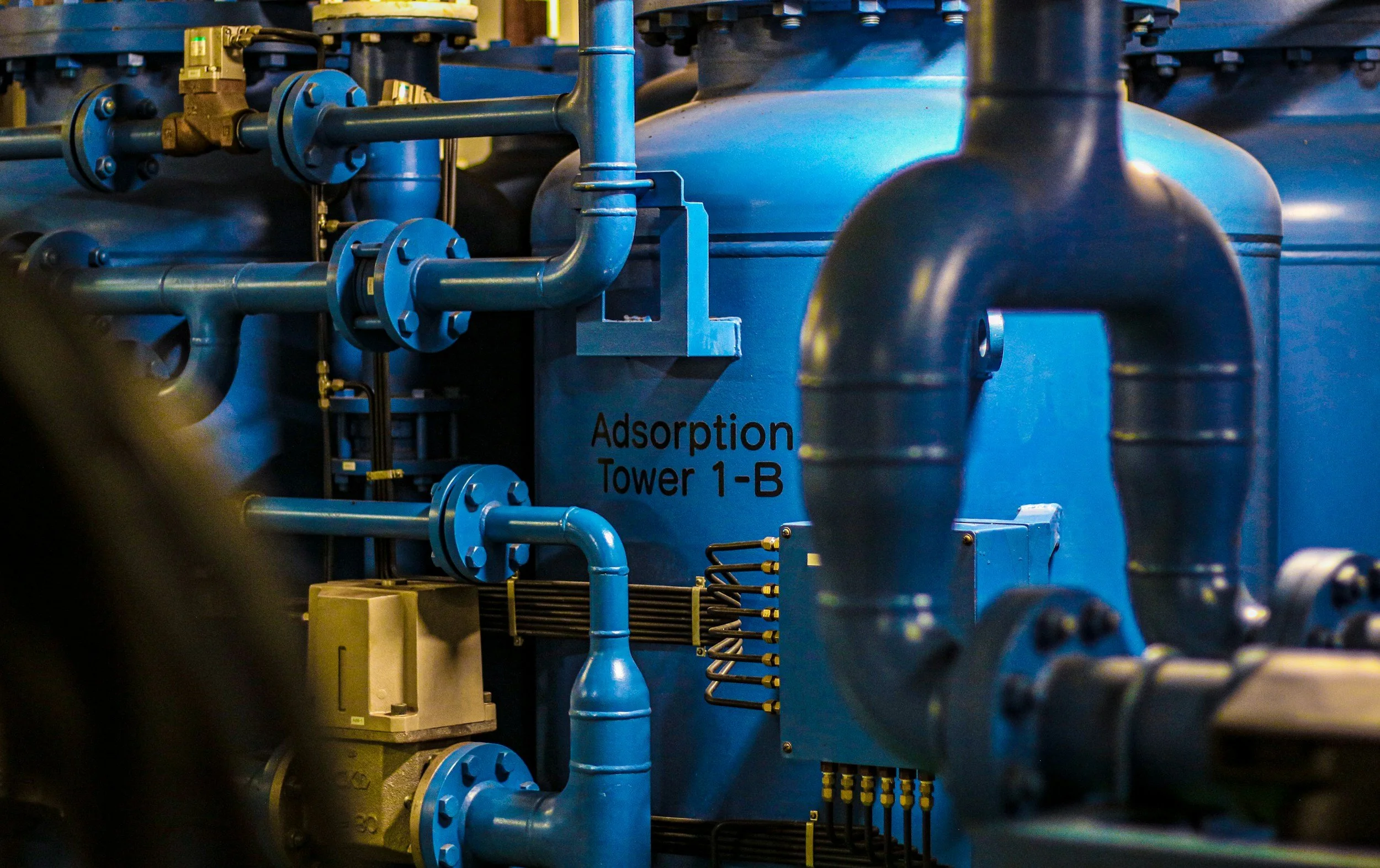
If you manage a café, office, retail space, warehouse, or strata building in Melbourne, plumbing isn’t just a “when it breaks” problem. It’s part of keeping the business running: customers can’t use facilities, staff can’t work comfortably, and fit-outs can stall if plumbing doesn’t meet requirements.
A common trap is assuming commercial plumbing is simply residential work on a larger scale. In reality, the job changes because the stakes, systems, and rules change.
This article clears up what commercial plumbing really involves, why the difference matters, and what to check so you can choose confidently.
The Common Expectation About Commercial Plumbing
“It’s just bigger residential plumbing”
Many people start with a fair assumption:
A licensed plumber is a licensed plumber
Pipes are pipes
If someone can handle a home renovation, they can handle a shop fit-out
So the decision often becomes price and availability: “Can you come this week?”
“If it works in a house, it’ll work in a shop”
This expectation shows up in practical ways, like:
sizing systems without thinking about peak usage (staff + customers + trading hours)
treating drainage like it’s the same everywhere
assuming the same approach works across a café kitchen, an office amenities block, and a warehouse
The problem isn’t that residential experience is “bad”. It’s that commercial environments create different demands.
“We’ll call a plumber when something breaks”
A lot of businesses run plumbing reactively, until a recurring blockage, a leaking hot water unit, or a renovation deadline forces a rethink.
In commercial settings, the cost isn’t only the repair. It’s also:
disruption to trading or tenants
coordination delays with other trades
repeat issues that keep coming back because the underlying system wasn’t designed or assessed for the way the building is actually used
The Real-World Reality for Melbourne Businesses
Commercial plumbing is compliance-driven (not just “does it work?”)
In a home, “it drains and the tap runs” is often the benchmark. In commercial settings, you typically need to think beyond function into compliance, documentation, and accountability.
That can include:
work completed to the appropriate standards for the premises and use-case
documentation where required (especially for certain devices and installations)
a clearer paper trail for building management, audits, and handovers (think leases, fit-outs, and make-good works)
For many Melbourne businesses, this is where surprises happen: the plumbing works, but it doesn’t satisfy what the site, the build, or the stakeholders require.
System capacity and usage loads are genuinely different
Commercial sites don’t just have “more people”. They have different patterns:
peak surges (lunch rush, shift changes, events)
repeated high-volume use over long trading hours
multiple fixtures and longer runs across a building
The result is that capacity decisions matter more, especially around:
drainage performance under peak load
hot water demand consistency
pressure and flow stability across multiple points of use
A setup that feels fine in a small space can struggle once the operation scales or the tenancy gets busier.
Downtime has a business cost, so the job includes disruption planning
A plumbing issue at home is inconvenient. In a business, it can mean:
closing bathrooms (and impacting staff and customers)
stopping kitchen operations
disrupting tenants in shared buildings
pausing work during a fit-out
That’s why good commercial plumbing work often includes a staging mindset:
planning around trading hours
isolating sections to keep part of the site running
sequencing work so other trades aren’t blocked
being realistic about what can be done quickly vs what needs proper shutdown time
In practice, “commercial-ready” often means the plumber understands that you’re not buying a fix, you’re buying continuity.
Coordination with other trades is standard (and changes how work gets done)
Commercial plumbing frequently sits inside a larger machine:
builders running the programme
electricians and HVAC contractors working in parallel
project managers tracking approvals and handovers
strata, landlords, or facility teams controlling access
In Melbourne CBD or multi-tenant buildings, access constraints can be a job in itself: loading docks, after-hours rules, permits, building management requirements, and tight work windows.
So commercial plumbing isn’t only technical competence. It’s also coordination competence, knowing how to work cleanly inside a live environment.
Why the Gap Exists (and the variables that flip what “best” means)
If commercial plumbing feels like it “should be simple,” it’s usually because the complexity is hidden. The gap exists for three main reasons:
1) “Licensed plumber” gets interpreted too broadly
Search results and word-of-mouth often treat plumbing as one category. But commercial work rewards experience with:
compliance expectations
multi-stakeholder sites (landlords, strata, builders)
operational downtime planning
larger, shared, or higher-load systems
So two plumbers can both be licensed, but one is set up for homes while the other is set up for commercial environments where planning and documentation matter.
2) Residential logic doesn’t account for commercial constraints
In homes, you can usually turn things off, wait, and work in a controlled environment. In businesses, you’re working around:
trading hours
tenant access rules
staff and customer needs
tight fit-out schedules
“we can’t shut this down” realities
That constraint layer changes the job, even if the fix looks similar on paper.
3) The “right” solution depends on a few variables people don’t think to mention
In Melbourne, these four variables tend to flip what “best” looks like. If you share them upfront, you avoid most surprises.
Variable A - Building type
If you’re in a CBD or multi-tenant building, the best approach shifts toward a plumber who can handle access coordination, shared services, and stakeholder requirements, because logistics can drive timelines as much as the work itself.
If you’re in a standalone site (e.g., a warehouse), the best approach shifts toward capacity planning and robust installation, because scale and long runs change performance.
Variable B - Industry type
If you’re hospitality, the best approach shifts toward drainage/maintenance reality (high usage, kitchen demands, and operational continuity) because the system gets stressed daily.
If you’re office/retail, the best approach shifts toward tidy compliance, reliability, and predictable scheduling because disruption management is usually the biggest pain.
Variable C - Downtime tolerance
If downtime is near zero (cafés, clinics, busy venues), the best approach shifts toward staging and after-hours planning, because “fast” without a plan often becomes repeat disruption.
If downtime is flexible, the best approach can shift toward longer-term optimisation, because you have room to do deeper work properly.
Variable D - Project type (reactive vs planned)
If it’s reactive (burst, blockage, sudden leak), the best approach shifts toward safe stabilisation first, then diagnosis, because stopping damage and restoring function comes before optimisation.
If it’s planned (fit-out, upgrade, lease make-good), the best approach shifts toward scoping, documentation, and coordination, because unclear scope is what causes rework and delays.
4) Commercial risk is operational, not just technical
This is the piece that’s easy to miss: in commercial sites, plumbing problems turn into business problems quickly.
That’s why “commercial-ready” usually means:
clear scoping
realistic sequencing
minimal disruption planning
compliance awareness
communication that keeps stakeholders aligned
What to Check Before Engaging a Commercial Plumber
You don’t need to become a plumbing expert to choose well. You just need a few confirmation points that reveal whether someone is genuinely set up for commercial work in Melbourne.
Use the checks below as a quick screen before you commit.
1) Compliance & documentation (what you’ll receive at the end)
What to check: Will the work be completed with the right compliance expectations for your site and provide the documentation you’ll actually need for handover, audits, or building management?
How to verify (simple prompts):
“What compliance documentation will be provided on completion?”
“Is there anything about this site type (multi-tenant / hospitality / industrial) that changes what’s required?”
Why it matters: In commercial environments, the “job” is often not finished until stakeholders (landlord, strata, builder, facilities) are satisfied, not just when water runs again.
2) Experience with your building type (because access and infrastructure change everything)
What to check: Have they done work in a site like yours: CBD tenancy, multi-tenant building, retail strip, warehouse, medical clinic, etc.?
How to verify:
“Do you regularly work in buildings with building management access rules?”
“Have you worked in similar premises in Melbourne (CBD / inner suburb / industrial estate)? What usually slows jobs down?”
Why it matters: In many commercial jobs, time is lost on access, sequencing, and shared infrastructure, not on the actual repair.
3) Downtime & staging plan (how they’ll keep your business running)
What to check: Are they thinking about continuity, or only the repair?
How to verify:
“What’s the disruption plan, what stays operational while the work happens?”
“Can this be staged outside trading hours if needed?”
“What do you need from us (access, approvals, shutoff windows) to keep this moving?”
Why it matters: A “quick fix” that creates repeat closures is rarely quick in total cost.
4) Capacity and load assumptions (especially for fit-outs and upgrades)
What to check: Are they designing or repairing based on real usage—people, fixtures, peak times, equipment, and not just copying what worked elsewhere?
How to verify:
“What information do you need to confirm load and usage?”
“If we add equipment / staff / customers, what’s the likely stress point?”
“What’s the ‘minimum viable’ fix vs the ‘proper’ fix, and what trade-off are we choosing?”
Why it matters: Commercial systems often fail at the edges, peak times, surges, or after incremental upgrades, because capacity wasn’t discussed upfront.
5) Communication & coordination (the part everyone underestimates)
What to check: Do they communicate in a way that works for commercial jobs, updates, timelines, dependencies, and coordination with other trades?
How to verify:
“Who is the point of contact day-to-day?”
“How do you handle changes once work starts?”
“If this is inside a fit-out, how do you coordinate with the builder/programme?”
Why it matters: Many commercial headaches aren’t technical, they’re scope drift, missed dependencies, and unclear sequencing.
6) Maintenance thinking (because reactive-only becomes expensive and disruptive)
What to check: Do they talk about preventing repeats, blockages, leaks, backflow testing schedules, grease trap servicing, based on your use-case?
How to verify:
“What are the repeat-failure points for a site like ours?”
“If we want fewer surprises, what should be checked quarterly vs annually?”
Why it matters: In commercial sites, stability often comes from small, planned checks—not bigger emergency callouts.
What “Good” Looks Like in Practice
When commercial plumbing is handled well, you feel it in the absence of chaos: fewer disruptions, smoother handovers, and less “we didn’t realise that mattered” mid-project.
Here’s what “good” typically looks like for Melbourne businesses.
Clear scope before work begins
A commercial-ready plumber helps you get alignment early, especially when multiple people are involved (owner, site manager, builder, landlord, strata).
You’ll usually see:
clear definition of what’s included (and what isn’t)
a practical understanding of site constraints (access, trading hours, shutoff windows)
early identification of dependencies (approvals, other trades, parts lead time)
What this prevents: scope creep, surprises, and rework during fit-outs or urgent repairs.
Transparent communication that matches how businesses operate
Commercial jobs rarely go perfectly linearly. The difference is how changes are handled.
“Good” looks like:
one clear point of contact
realistic timelines (and updates when conditions change)
coordination language that works with other trades (“Here’s what we need before we can proceed”)
In live sites, good communication is a quality signal because it keeps operations, tenants, and stakeholders aligned.
Systems built for long-term use (not just “passable today”)
Businesses put more stress on plumbing systems than homes do. So quality is often about design decisions that don’t stand out on day one, but prevent recurring issues later.
That includes thinking in terms of:
usage load (peak times, fixture count, equipment)
maintenance tolerance (what needs regular servicing, and what doesn’t)
practical durability in a commercial environment
What this prevents: the slow drip of recurring blockages, pressure issues, and “it keeps coming back” callouts.
Minimal disruption is treated as part of the job
In commercial plumbing, continuity isn’t a bonus, often it’s the requirement.
“Good” looks like:
staging plans (keeping part of the site operational)
working around trading hours where required
clean shutdown/restart planning when a full isolation is unavoidable
This is where commercial service differs most from residential: the work is planned around the business, not the other way around.
When You’re Ready to Talk to a Commercial Plumber in Melbourne
If you’re reviewing options for commercial plumbers in Melbourne, the goal isn’t just to “get the job done.” It’s to make sure the work supports your operations, satisfies compliance expectations, and avoids repeat disruption.
A professional commercial plumbing service should be able to:
discuss your building type and access constraints confidently
explain how downtime will be managed
outline what documentation or compliance steps apply to your site
coordinate smoothly with builders, strata, or facilities teams
think beyond the immediate repair toward long-term reliability
At East Plumbing Co, commercial work is approached with that broader operational lens. Rather than treating a café, office, warehouse, or tenancy like a scaled-up home job, the focus is on:
clear scoping before work begins
practical scheduling around business activity
transparent communication throughout the job
systems designed for how your site actually operates
If you’re planning a fit-out, managing a recurring issue, or reviewing your current plumbing setup, a simple next step is to prepare the four variables mentioned earlier:
building type
industry/use-case
downtime tolerance
whether the job is reactive or planned
Bringing those into the conversation upfront helps any commercial plumber, including East Plumbing Co, assess your situation accurately and recommend a solution that fits your business, not just the pipes.